

SMT Assembly Services
Surface mount assembly for prototype and production projects, with materials, process routing, and test requirements defined for your build.
Start with your board requirements, component list, quantity, and assembly stage. Confirm the supply model and the inspection or testing you need before the build is quoted.
For sourcing, through-hole assembly, programming, and the wider project scope, explore our PCB assembly services.
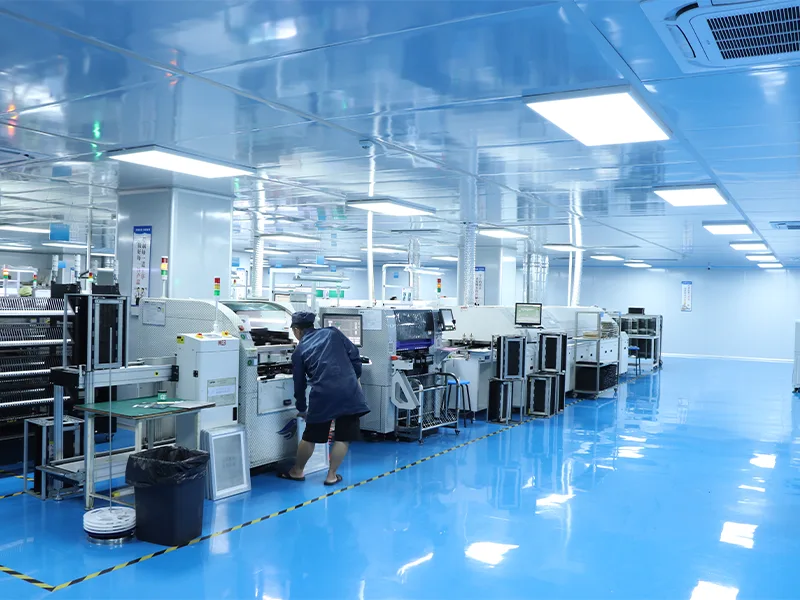
SMT Assembly Services Overview
Flexible PCB Assembly Solutions for Different Production Needs
Our complete SMT assembly services cover different production stages, including prototype manufacturing, small-batch production, and large-volume electronic manufacturing. By combining automated equipment, strict quality control, and professional engineering support, we provide reliable SMT solutions for various industries.
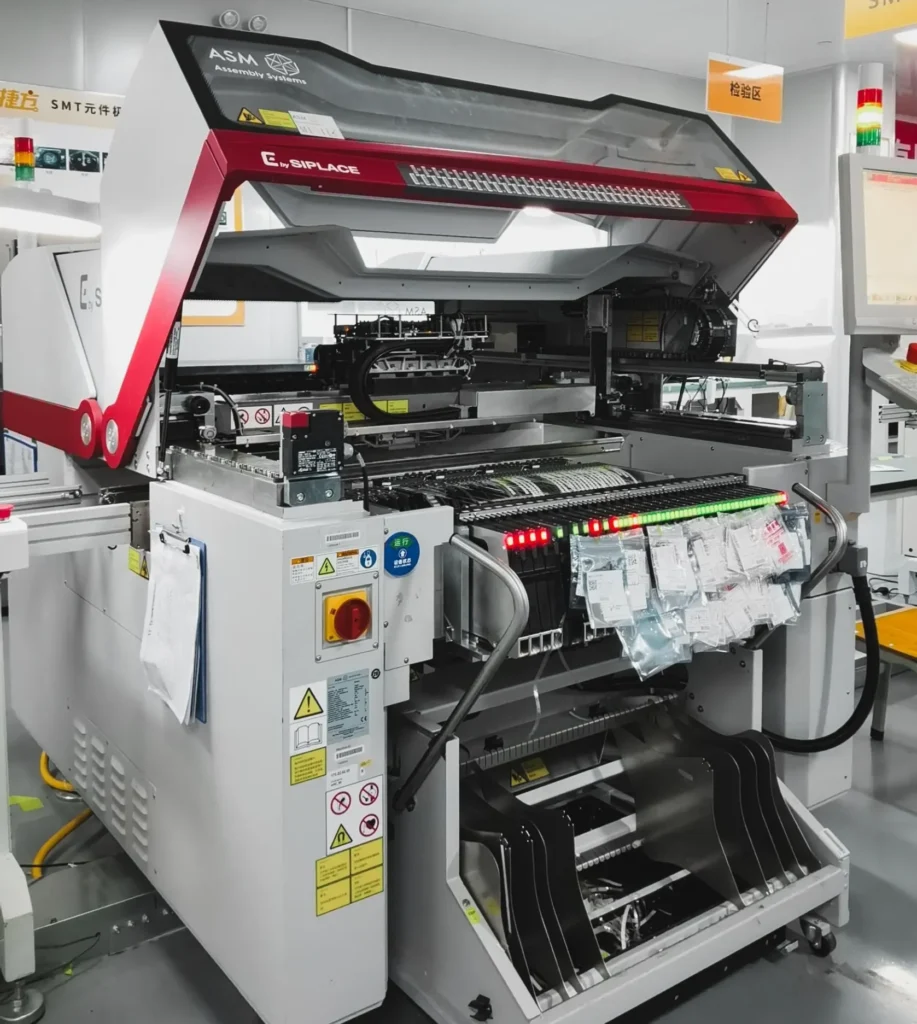
SMT PCB Assembly
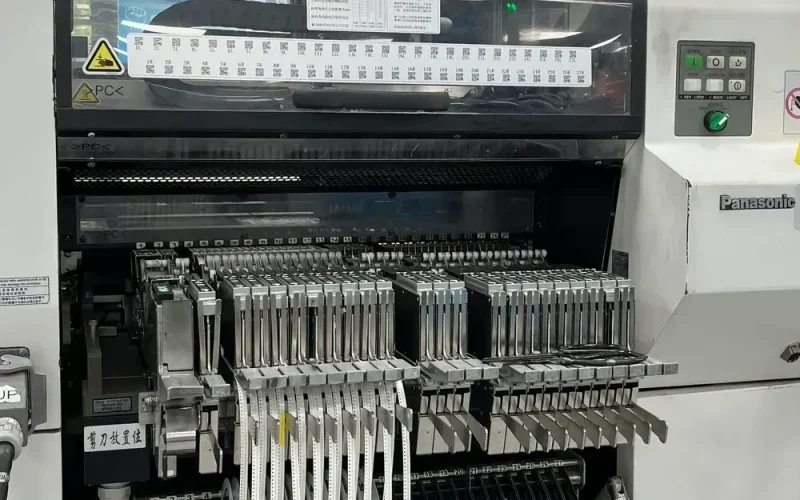
The process of picking and placing surface-mount components on PCBs is done with great accuracy by pick-and-place machines at speed.
Prototype & Small Batch Assembly
Flexible SMT assembly solutions support product development, engineering verification, and pilot production. This allows customers to test designs quickly before entering full-scale manufacturing.
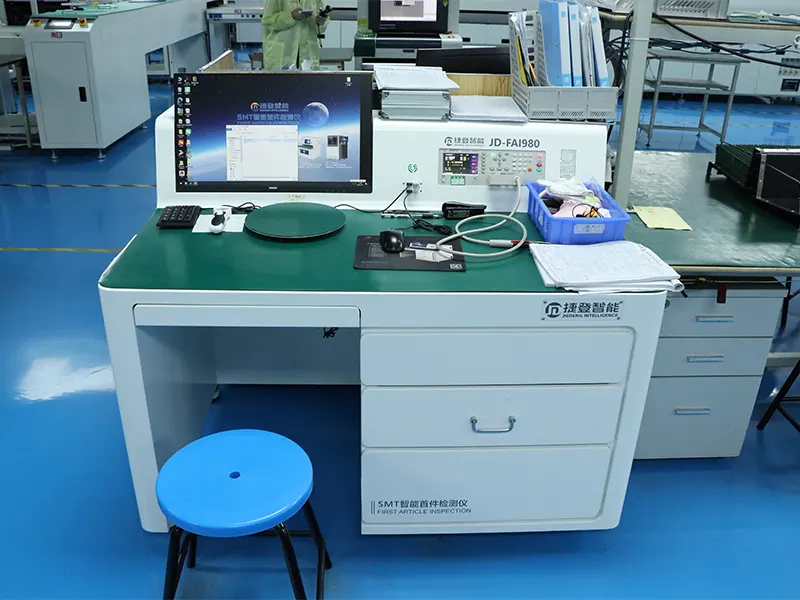
Production Scale
The ability to manufacture at scale ensures efficient, reliable, and high-quality production in large order quantities.
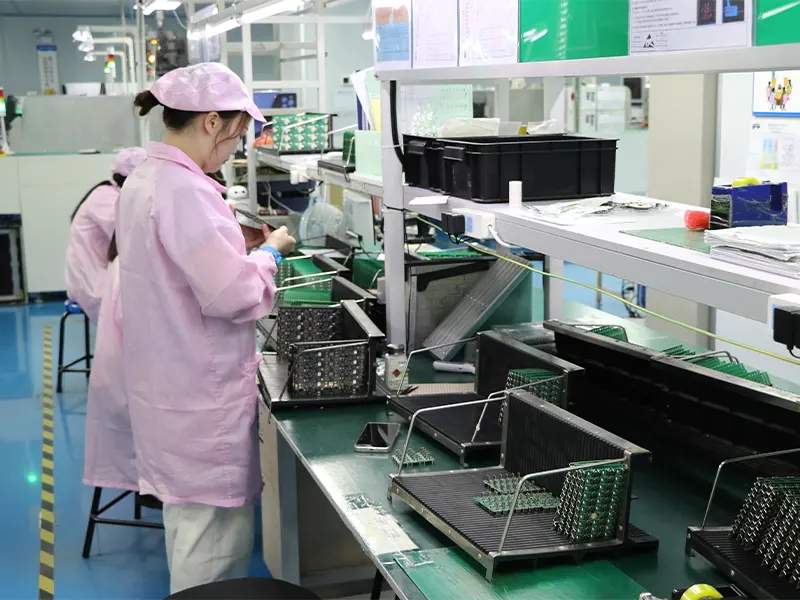
Mixed Technology Assembly
Combining SMT and THT assembly technologies provides solutions for complex circuit boards that require both surface-mounted components and through-hole components.
What Is SMT Assembly?
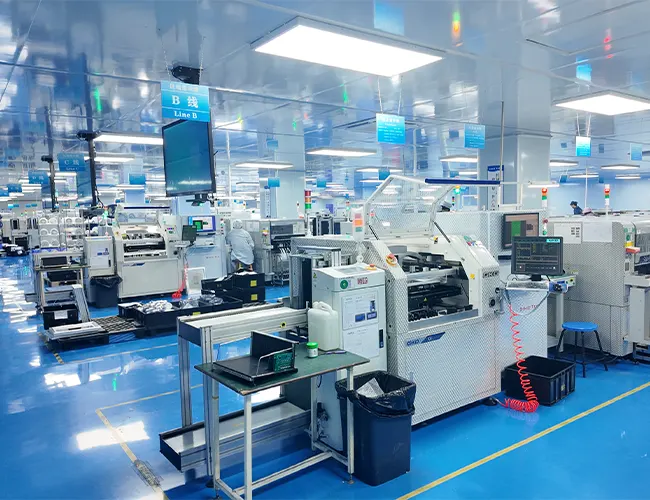
Surface-mount technology (SMT) assembly places and solders surface-mount devices (SMDs) onto pads on a manufactured printed circuit board. The populated board is a printed circuit board assembly, or PCBA. SMT is an assembly process, not a type of bare PCB.
SMT can support compact product designs and higher component densities through the use of small surface-mount packages. It also supports automated component placement for efficient assembly.
A typical reflow-based assembly route includes:
- Solder paste printing;
- Component placement;
- Reflow soldering;
- Inspection at the specified process points.
With advanced equipment and experienced engineering support, SMT assembly services help customers achieve consistent product quality from prototype development to mass production.
Quality Assurance & Standards
Strict Testing and Inspection for Reliable SMT Production
Quality control is integrated throughout the complete SMT assembly services process. Advanced manufacturing technology, precise production control, and comprehensive inspection procedures help ensure stable PCB performance.
IPC Standards
A standard manufacturing process is applied to ensure quality and minimize production errors in PCB assembly. Adherence to IPC standards helps to make sure that the assembled PCB satisfies industry standards.
Testing Methods
Professional inspection and testing procedures include:
SPI Inspection (Solder Paste Inspection)
Solder Paste Inspection uses advanced optical measurement technology to evaluate solder paste printing quality before component placement. It helps identify printing defects at an early stage, including:
- Insufficient or excessive solder paste volume;
- Incorrect solder paste position;
- Poor paste coverage;
- Printing height and shape abnormalities.
By improving solder paste printing accuracy, SPI inspection helps reduce soldering defects and improve the reliability of SMT assembly.
AOI Inspection
Automated Optical Inspection uses high-resolution cameras to detect:
- Component placement errors;
- Missing components;
- Incorrect polarity;
- Soldering issues.
Electrical Testing (E-Test)
Electrical testing confirms continuity of the circuits and highlights any issues regarding connectivity.
X-Ray Inspection
Engineers can perform X-ray inspection of solder joints in case of complicated PCB assemblies.
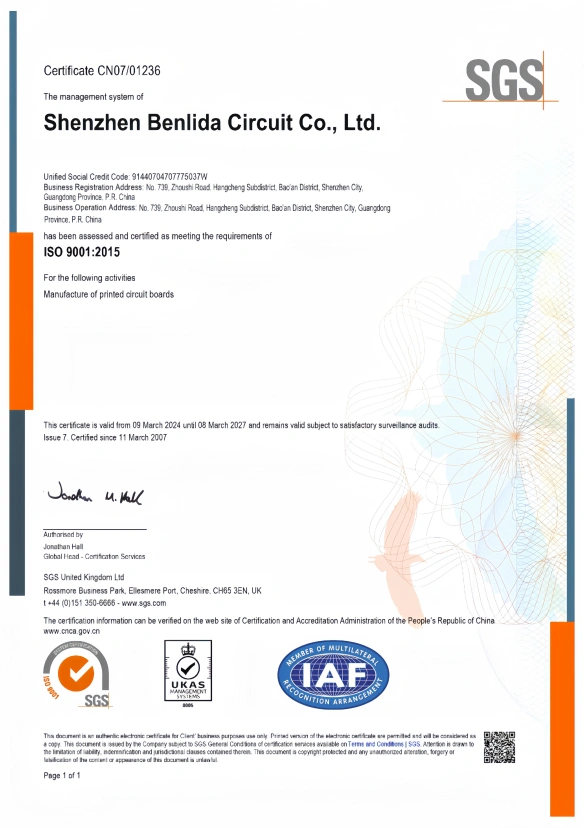
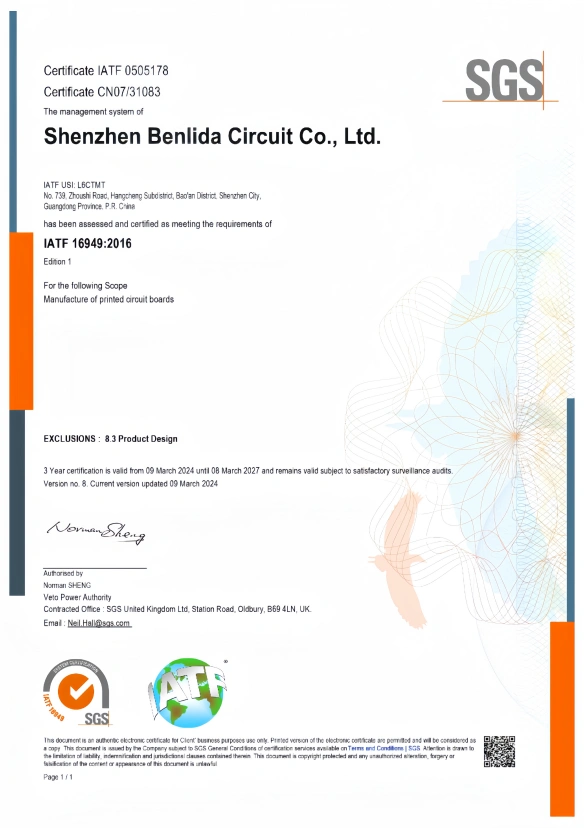
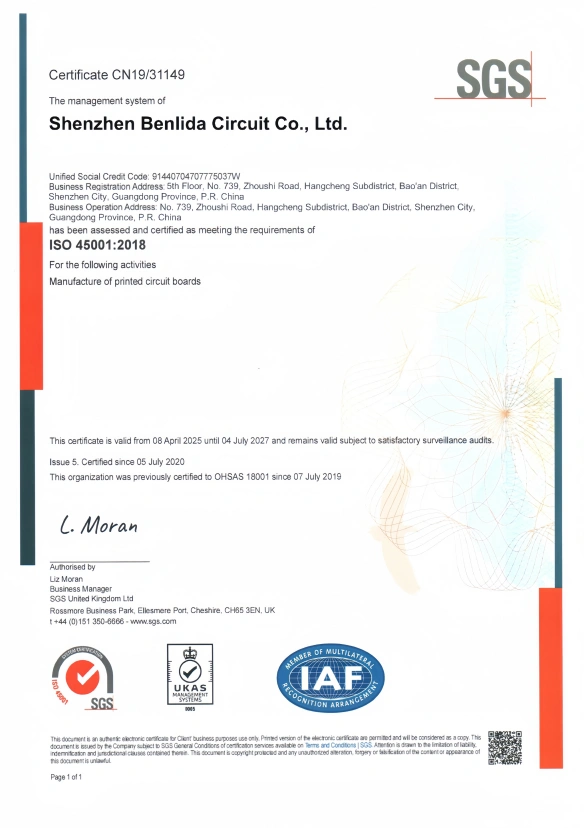
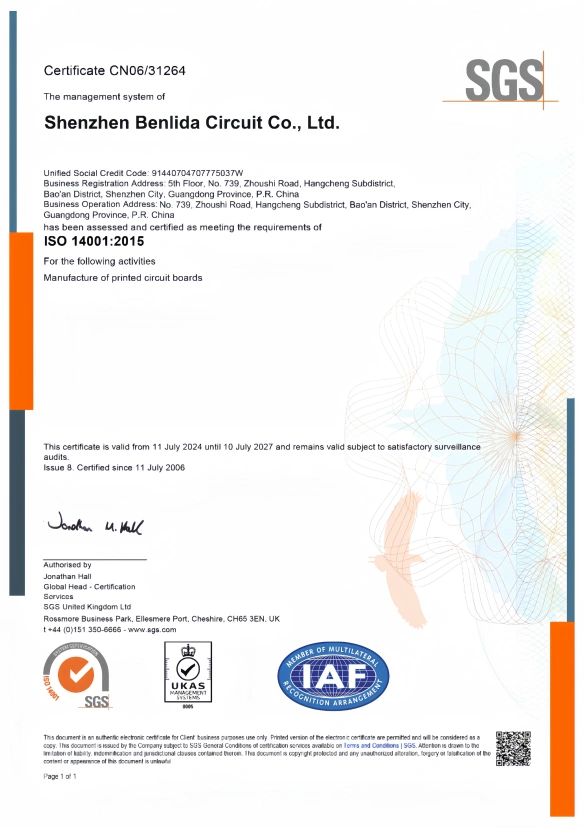
Our Certificates
International Standards Supporting Manufacturing Reliability
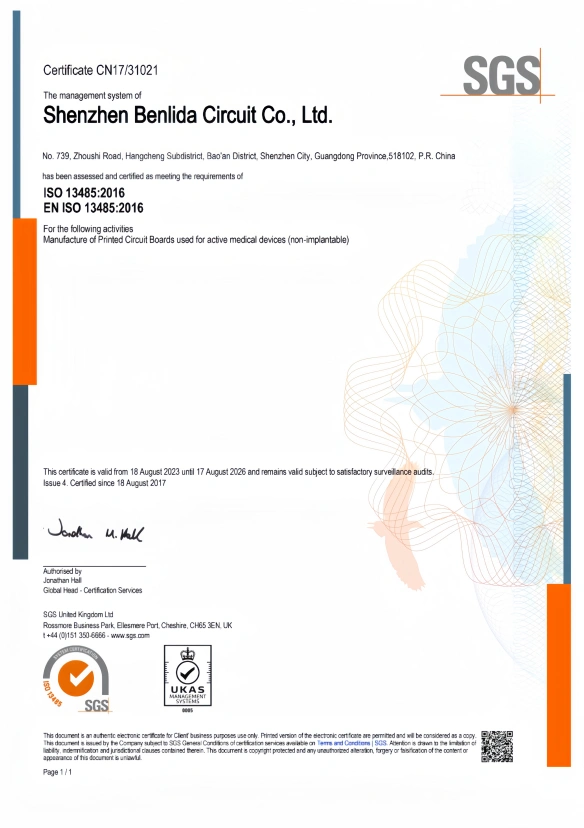
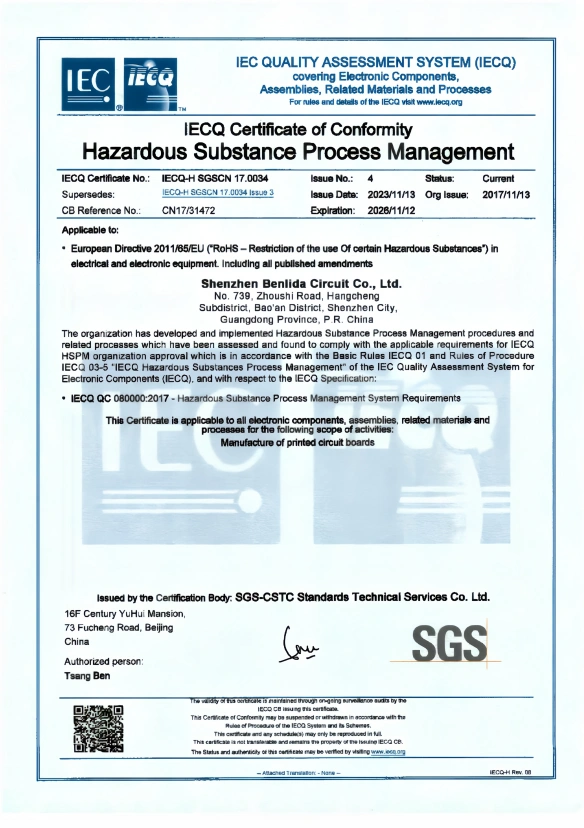
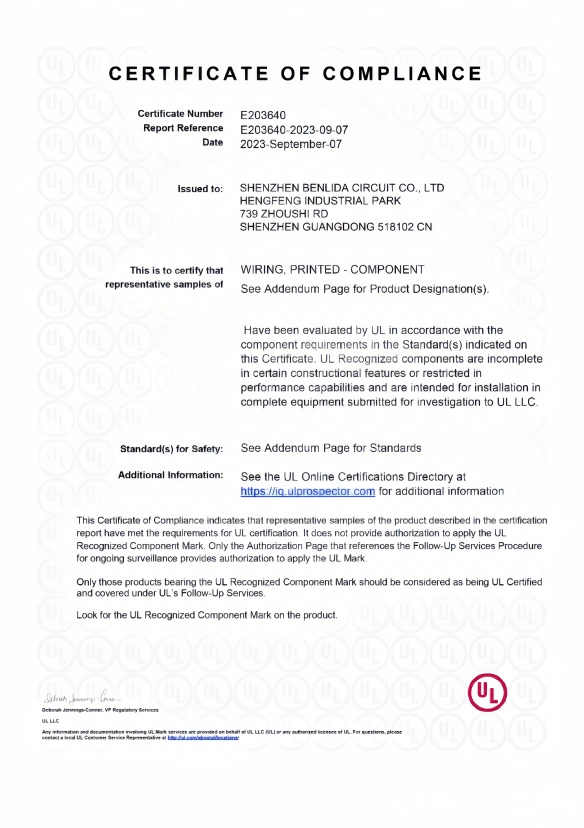
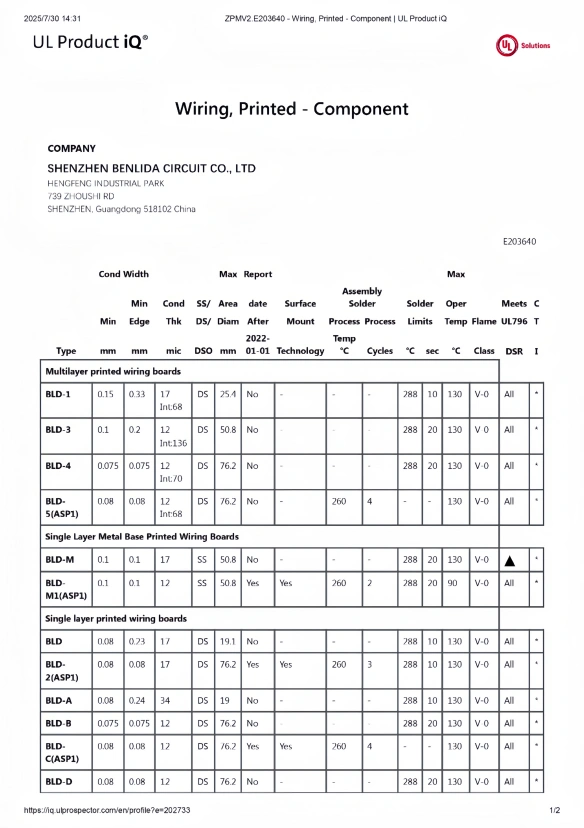
BenlidaPCBA is a professional PCB manufacturer providing PCB manufacturing and SMT assembly services with years of industry experience. Various international certifications demonstrate our commitment to quality management, product safety, and environmental responsibility.
Our certification process covers various international standards, including SGS verification, ISO quality systems, UL standards, and RoHS requirements.
SMT Manufacturing Process Overview
The assembly route depends on the released design, component mix, materials, and agreed inspection and test requirements. Some steps may be repeated or sequenced differently for double-sided and mixed-technology builds.
Solder Paste Application
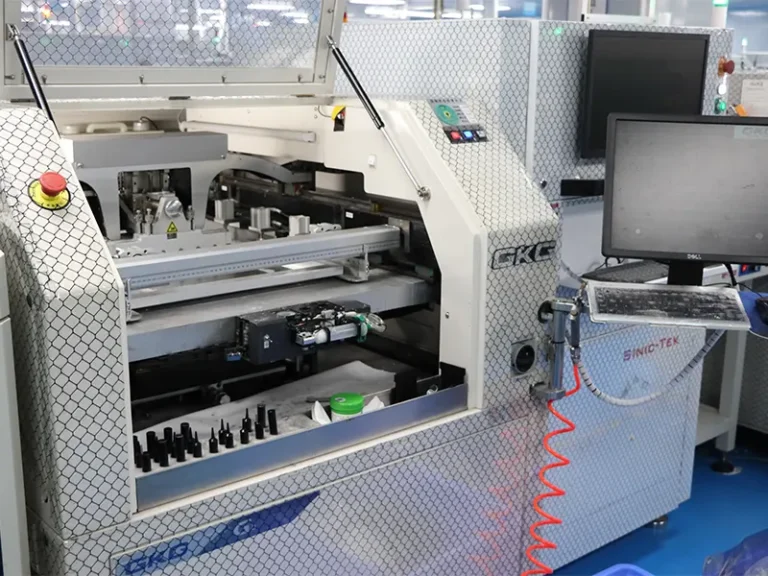
The process starts with the SMT stencil printing stage.
The stencil precisely places solder paste on PCB pads as required by the design of the board.
Proper solder paste application ensures:
• Accurate component soldering;
• Stable electrical connections;
• Reduced solder defects.
1
Component Placement
Place the specified components from the released placement data. Part identity, board side, orientation, polarity, and do-not-populate instructions need to agree with the BOM and assembly drawings. Define the first-article checks and release requirements for the build.
2
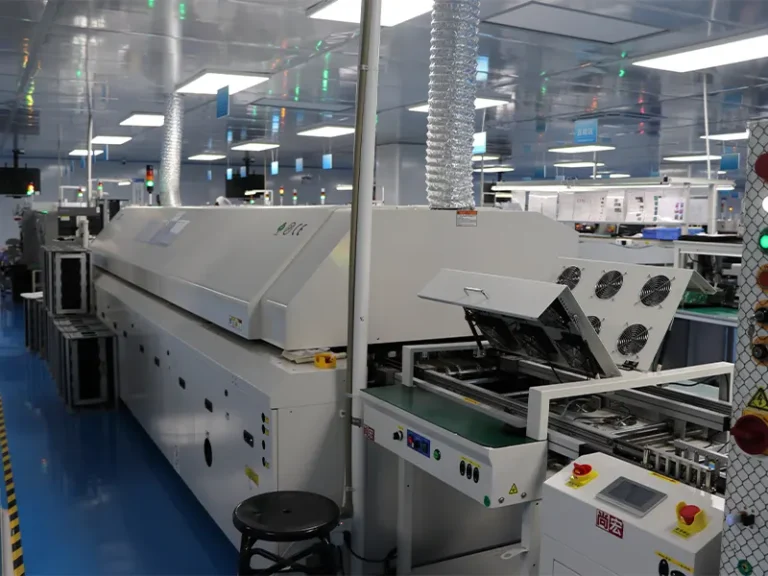
Reflow Soldering
Develop the reflow route around the selected soldering material, board construction, and component limits. Evaluate actual board and component temperatures using the approved profiling method. Double-sided builds and rework require consideration of cumulative thermal exposure.
3
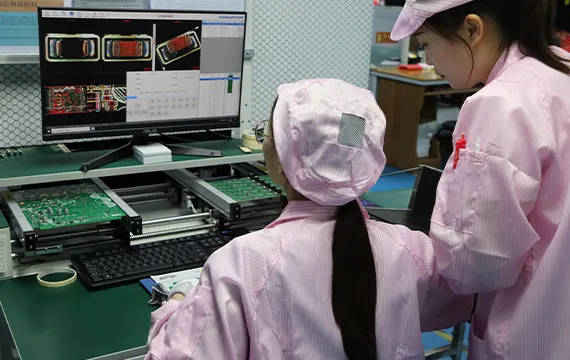
Inspection at the Defined Process Points
Use the inspection methods and coverage agreed for the assembly. AOI evaluates supported visible features; selected X-ray inspection may address hidden solder features. Define how findings are reviewed, recorded, and resolved before release.
4
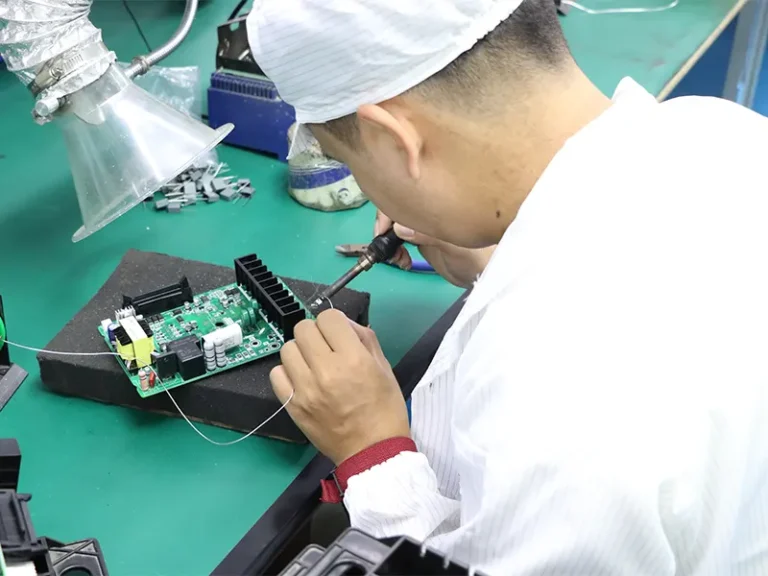
Through-Hole Assembly When Required
For mixed-technology boards, through-hole components are inserted and soldered using the method approved for the project. The component design and process route determine the sequence, support, soldering method, and inspection requirements.
5
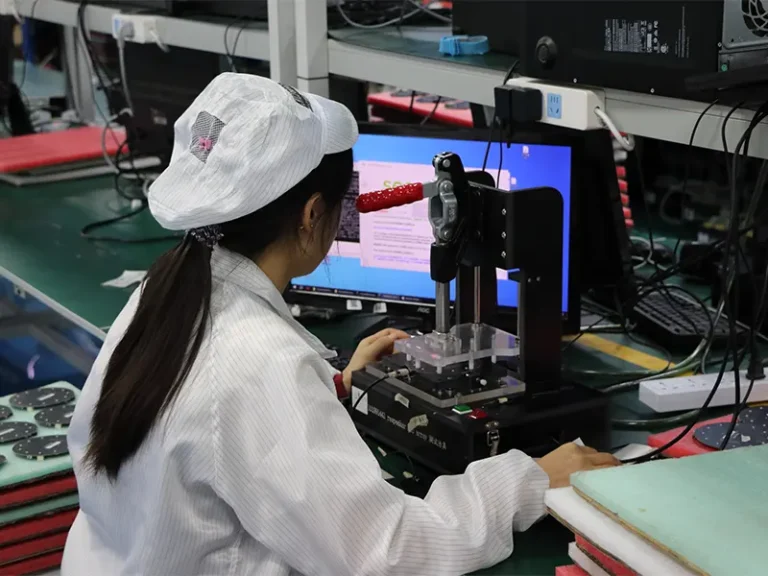
Functional Testing & Final Inspection
Completed PCB assemblies undergo functional testing and final quality checks. Only qualified products proceed to packaging and delivery.
This stage verifies:
• Electrical performance;
• Product functions;
• Assembly reliability.
6
Start Your SMT Assembly RFQ
Share your project stage, quantity, board revision, and sourcing model. For a detailed assembly review, prepare the BOM, PCB data, placement file, assembly drawing, and any programming or test requirements. If your files are not ready, describe the project and the information you still need to confirm.
Why Choose Benlida for SMT Manufacturing?
Reliable SMT Assembly Partner from Prototype to Mass Production
The right manufacturing partner is essential for consistent quality, efficient production, and reliable delivery. Benlida combines manufacturing experience, advanced equipment, and strict quality management to provide complete SMT assembly services for a range of electronic products.
Experienced Manufacturing Capability
Years of PCB manufacturing experience have helped Benlida build strong capabilities in PCB assembly, component processing, and production management.
Our experienced engineering team supports customers throughout the SMT assembly process, including:
• Design review;
• Production optimization;
• Component management;
• Manufacturing support.
These manufacturing capabilities help maintain consistent product quality for both prototypes and large-scale production.
Our experienced engineering team supports customers throughout the SMT assembly process, including:
• Design review;
• Production optimization;
• Component management;
• Manufacturing support.
These manufacturing capabilities help maintain consistent product quality for both prototypes and large-scale production.
Fast Turnaround and Flexible Production
Efficient scheduling helps customers move products from design verification to market faster.
Flexible production options support:
• Prototype development;
• Small-batch production;
• Medium-volume manufacturing;
• Large-scale orders.
Optimized workflows help reduce SMT assembly delays while maintaining reliable quality standards.
Flexible production options support:
• Prototype development;
• Small-batch production;
• Medium-volume manufacturing;
• Large-scale orders.
Optimized workflows help reduce SMT assembly delays while maintaining reliable quality standards.
Advanced Quality Control System
Quality inspection is part of the entire manufacturing process. Each stage is carefully monitored, from SMT stencil printing accuracy to final functional testing.
Quality control includes:
• AOI inspection;
• X-ray inspection;
• Electrical testing;
• Functional verification.
These inspections help detect manufacturing issues early and improve overall product reliability.
Quality control includes:
• AOI inspection;
• X-ray inspection;
• Electrical testing;
• Functional verification.
These inspections help detect manufacturing issues early and improve overall product reliability.
Global Supply Chain Support
Reliable component sourcing is important for successful SMT manufacturing.
Benlida supports customers with:
• Verified component suppliers;
• Material management;
• Component quality verification;
• Supply chain coordination.
This integrated approach helps simplify procurement and improve SMT assembly efficiency.
Benlida supports customers with:
• Verified component suppliers;
• Material management;
• Component quality verification;
• Supply chain coordination.
This integrated approach helps simplify procurement and improve SMT assembly efficiency.
SMT Assembly Applications Across Industries
Flexible SMT Solutions for Different Electronic Products
Modern electronics require compact designs, reliable performance, and efficient manufacturing. Advanced SMT assembly technology is widely used across industries for its high precision and production flexibility.
Consumer Electronics
SMT technology is commonly used in consumer electronics that require compact structures and high-density circuit designs.
Applications include:
• Smart devices;
• Home electronics;
• Wearable products;
• Digital equipment.
Industrial Automation
Industrial equipment must operate reliably under demanding conditions. Professional SMT assembly services support the production of control boards, automation modules, and industrial electronic systems.
Automotive Electronics
Automotive systems require reliable electronic components that perform well and are durable.
SMT manufacturing supports applications such as:
Vehicle control systems;
Sensor modules;
Electronic monitoring devices.
Medical Equipment
Medical electronics require strict quality control and reliable operation.
High-precision SMT assembly helps produce electronic components for diagnostic equipment, monitoring systems, and medical control devices.
Communication Equipment
High-speed communication devices require compact PCB designs and stable signal performance.
SMT technology enables manufacturers to produce reliable communication modules and networking equipment.
Flexible SMT Service Models
Customized Cooperation Options for Different Production Requirements
Customers have different manufacturing needs. Flexible SMT assembly services offer a range of cooperation models based on component supply, production management, and project requirements.
Full Turnkey SMT Assembly Service
Complete Manufacturing from Components to Finished PCB Assembly
In the full turnkey model, the manufacturer manages the entire production process to provide a complete solution.
This includes:
- PCB sourcing;
- Component purchasing;
- Material inspection;
- SMT production;
- Testing;
- Final packaging.
This model suits customers seeking a complete manufacturing solution without having to manage multiple suppliers.
Partial Material Supply / Cooperative Assembly
Flexible Partnership Based on Customer Requirements
Some customers prefer to supply specific materials and outsource production processes.
This cooperation model may include:
- Customer-supplied components;
- Manufacturer-provided PCB assembly;
- Shared material management;
- Production support.
This model offers flexibility for companies with established supply chains.
Consigned Assembly Service
Customer Provides All Materials for Production
Under the consigned model, customers provide all required components and PCB materials.
The manufacturer focuses on:
- SMT stencil printing;
- Component placement;
- Soldering;
- Inspection.
This option suits companies that already have complete material sourcing systems.
From BOM and Placement Data to Production
Start with your project stage, quantity, supply model, and available documents. You can describe missing information during the initial discussion. A complete production release requires approved and consistent build data.
For an assembly review: Prepare the BOM with manufacturer part numbers, reference designators, quantities, packages, and do-not-populate instructions. Include the PCB data, placement or centroid file, and assembly drawing. Identify units, board side, origin, rotation, polarity, and the current revision.
Before production release: Confirm approved substitutes, panel requirements, special material handling, inspection and test limits, firmware versions, and required records. Identify moisture-sensitive parts, packaging condition, and soldering-material requirements. Changes to the design, parts, or test scope need the agreed approval.
DFM, DFA, and DFT reviews address manufacturing feasibility, assembly feasibility, and test access. They do not replace circuit-design or firmware validation.
SMT Assembly Capabilities Overview
Advanced Equipment for Reliable SMT Production
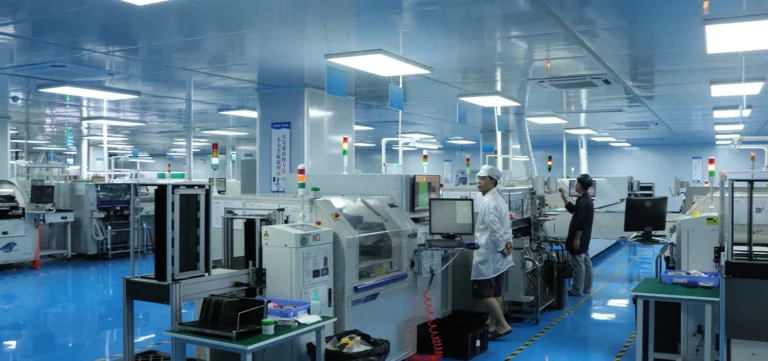
Professional SMT assembly services rely on precise equipment and controlled manufacturing conditions. The capabilities below help maintain consistent production quality.
From Prototype SMT Assembly to Repeat Production
Seamless SMT Manufacturing Support at Every Stage
A reliable SMT assembly service should support products throughout their entire lifecycle, from initial prototype testing to full-scale production.
Through complete SMT assembly services, customers can achieve a smoother transition from product development to market production.
Prototype SMT Assembly
During the early development stage, quick and accurate prototype assembly helps engineers verify circuit design and product performance.
Prototype services support:
- Design validation;
- Engineering testing;
- Functional improvement.
Provide the current design revision, quantity, and evaluation goals. Agree on the assembly checks and tests needed for the samples. Record open issues and any changes required before the next build.
Small-Batch and Pilot Production
After prototype approval, small-batch production helps customers prepare for market testing while maintaining flexible manufacturing control.
Benefits include:
- Lower initial investment;
- Faster design adjustments;
- Production process optimization.
Use an approved revision and resolve earlier build questions. Confirm material readiness, the planned process route, first-article requirements, and any customer approval needed before additional units are produced.
Repeat Production
When products enter commercial production, scalable manufacturing capacity ensures stable output.
The transition from prototype to volume production includes:
- Production optimization;
- Supply chain preparation;
- Quality consistency control;
- Manufacturing efficiency improvement.
Review changes to the BOM, placement data, materials, firmware, test programs, and delivery plan. Define traceability and record requirements for the order. A previous successful build does not automatically approve a changed design or substitute component.
SMT Assembly FAQs
SMT assembly mounts and solders surface-mount components onto a manufactured PCB. It is used in many electronic products, including consumer, industrial, communications, automotive, and medical applications. Suitability for a particular project depends on the design, manufacturing scope, and required quality and test conditions.
An SMT stencil transfers solder paste onto selected PCB pads before placement. The stencil design, paste, board support, and printing process affect the deposit. A stencil does not, by itself, guarantee the quality of the finished assembly.
SMT supports automated component placement and compact board layouts. The practical benefits depend on the package mix, board design, quantity, material availability, and process control. Inspection and electrical testing should be selected for the risks and requirements of the build.
Start with your quantity, project stage, sourcing model, and available design information. A detailed review normally needs the BOM, PCB fabrication data, placement or centroid data, and assembly drawings. Include the revision and any programming, inspection, or test requirements. Confirm accepted file formats before transferring files.
Discuss a partial-turnkey or consigned scope and identify who supplies each BOM line and the bare PCBs. Confirm incoming quantities, packaging, moisture-handling information, approved alternatives, shortages, and unused-material returns. A substitute part should not be used without the agreed approval.
Yes, SMT can be used to assemble prototypes and small batches. State the quantity, current revision, and evaluation goals when discussing a build. The required assembly checks, tests, and approval steps must be agreed; prototype assembly is not the same as complete product-design validation.
SPI, AOI, and X-ray inspection address different manufacturing features. Electrical checks, ICT, programming, and functional testing are separate project requirements. Confirm which methods are included, what they cover, and which programs, fixtures, firmware, and acceptance limits are needed. No single method demonstrates every function or predicts service life.
Check whether the supplier can review your package and board requirements, explain material responsibility, and define inspection and test coverage. Agree on the quotation scope, release criteria, records, and delivery conditions. Verify capability claims against evidence for your project.
Material availability, released build data, engineering clarification, stencil and fixture preparation, test readiness, quantity, and production scheduling all affect lead time. Confirm the manufacturing start conditions and distinguish assembly time from sourcing and transport time in the quotation.
Describe your confidentiality requirements before sharing sensitive design or firmware files. Confirm the agreed transfer method, access arrangements, and any NDA requirements with the project contact. Do not assume that an initial inquiry requires the complete confidential design package.