

Custom LED PCB Manufacturing
Discuss custom circuit boards for your LED lighting, display, or electronic product. Tell Benlida whether you need bare boards or a quotation that also includes component assembly. Material, construction, inspection, and delivery requirements are confirmed for your project.
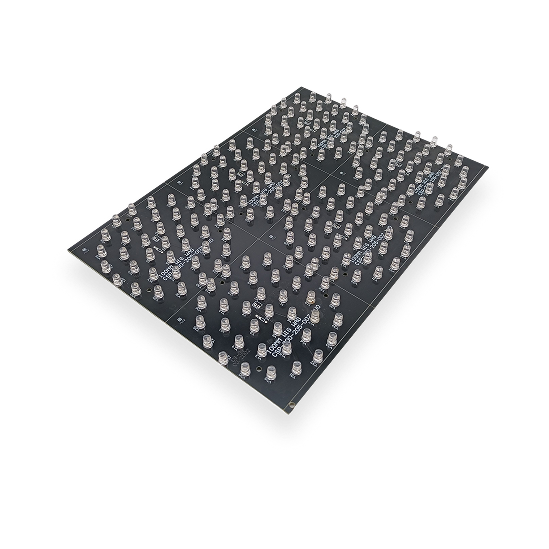
What Is an LED PCB?
An LED PCB is a printed circuit board designed to connect and support LEDs and, where required, related electronic components. It provides conductive paths. Current regulation depends on the circuit and driver design.
LED circuit boards can use different constructions. The choice depends on the LED package, electrical requirements, heat path, available space, and operating environment. An aluminum-base board is one option; it is not the definition of every LED PCB. A bare PCB does not include LEDs or other components unless assembly is part of the agreed scope.
For broader fabrication requirements, explore our PCB Manufacturing Services.
Our Manufacturing Capabilities
Benlida has advanced manufacturing capabilities to deliver reliable LED PCB board solutions for global customers.With the help of professional production processes, stringent quality control, and customized services, we will assist in the creation and fabrication of custom LED circuit boards that are highly efficient.
As a leading LED PCB manufacturer, Benlida offers complete PCB manufacturing solutions by incorporating different types of materials and structures.
| Manufacturing Capability | Details |
|---|---|
| PCB Types | Aluminum PCB, FR4 PCB, Flexible PCB |
| Application | LED Lighting, LED Displays, Automotive Lighting, Smart Electronics |
| Layer Options | Single Layer, Double Layer, Multi-Layer PCB |
| Material Options | Aluminum Base, FR4, Copper Substrate |
| PCB Thickness | Customized according to product requirements |
| Surface Finishing | HASL, ENIG, OSP (Optional) |
| Customization | Custom Size, Shape, Layout, and Circuit Design |
| Production Process | PCB Fabrication, Drilling, Etching, Surface Treatment, Quality Inspection |
| Quality Control | Electrical Testing, Performance Inspection, Reliability Testing |
| Production Support | Prototype Development and Mass Production |
Manufacturing Process
Benlida follows a professional and systematic manufacturing process to ensure every LED PCB board delivers excellent reliability, thermal performance, and long-term stability. By having rigorous quality control in the entire production process, we deliver top-notch custom LED circuit boards for different uses in LED lighting, displays, and electronics.
Each process is effectively monitored by our team of professionals to guarantee consistent product quality in accordance with international customer demands.
1
Engineering Review & Design Preparation
Our engineering team reviews customer designs, PCB files, and technical requirements to optimize the layout and ensure smooth production.

2
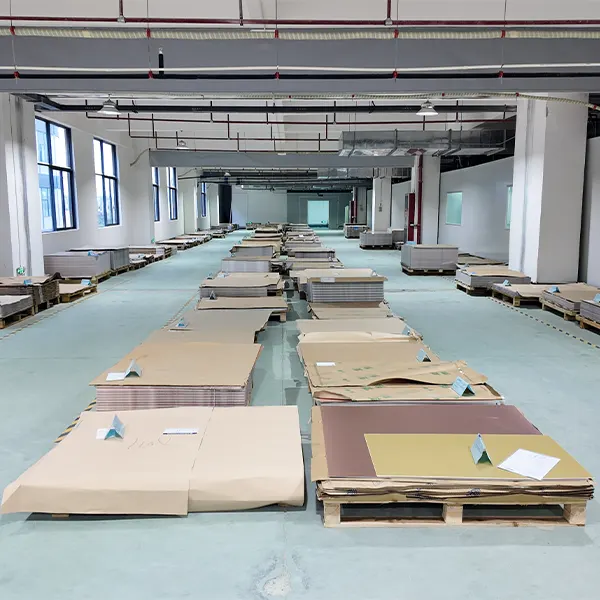
Material Selection & Preparation
Suitable materials, including aluminum base, FR4, and copper substrate, are selected according to application requirements, thermal performance, and product specifications.
3
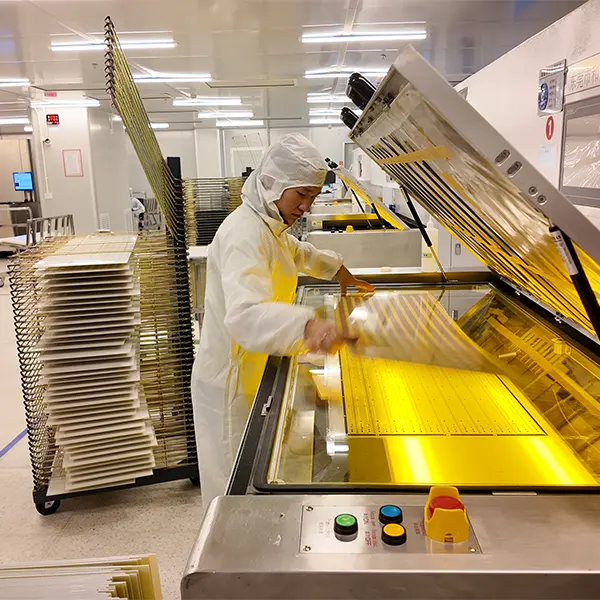
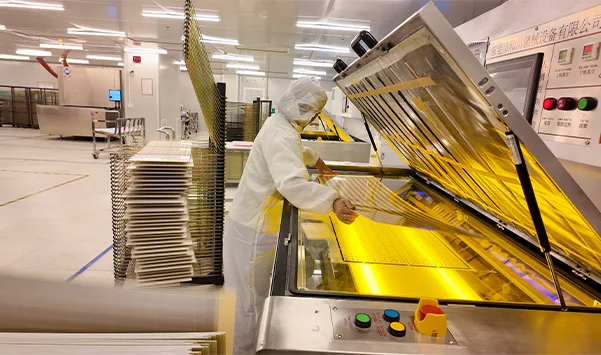
Circuit Pattern Formation
The circuit layout is transferred onto the PCB surface through imaging and etching processes to create accurate conductive paths.
4
Drilling & Copper Plating
Precision drilling and copper plating processes are performed to create reliable electrical connections and improve PCB conductivity.
5
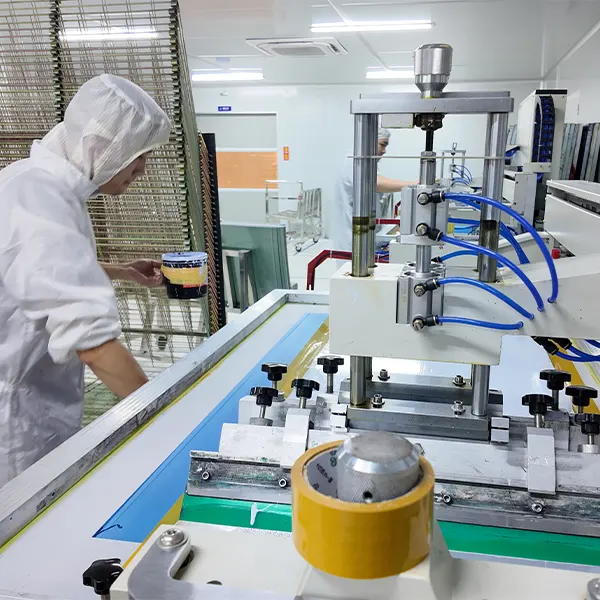
Solder Mask & Surface Treatment
Solder masks are used for protection, and then surface finishing techniques such as HASL, ENIG, or OSP are performed for increased solderability and longevity.
6
PCB Assembly & Processing (Optional)
According to customer requirements, additional processes such as component assembly and customized processing can be provided.

7
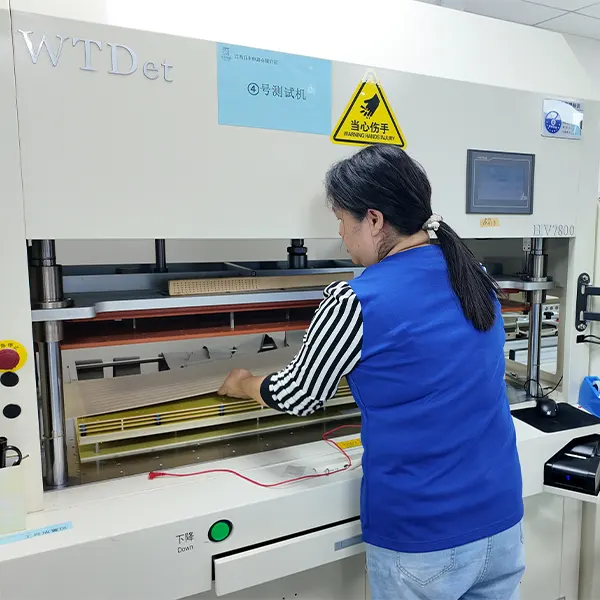
Electrical Testing & Quality Inspection
LED PCB boards are subjected to electrical testing and visual inspection for performance and reliability assurance.
8
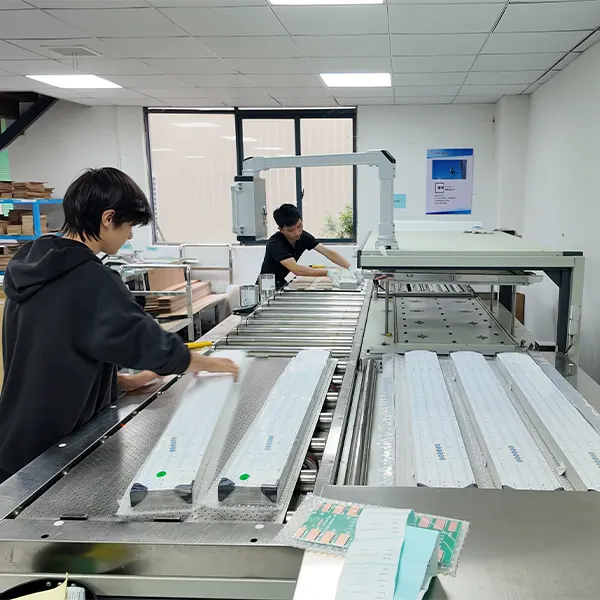
Packaging & Delivery
Finished custom LED circuit boards are carefully packaged and prepared for safe delivery to customers worldwide.
Why Choose Benlida
Benlida offers a one-stop shop for LED PCB manufacturing and SMT assembly services that include PCB manufacturing, sourcing of components, SMT placement, and final assembly to provide customers with full solutions. With superior manufacturing technologies, Benlida offers customers reliable LED PCB boards and custom LED circuit boards.
One-Stop LED PCB & SMT Assembly Service
Benlida offers integrated services from PCB manufacturing, component sourcing, SMT placement, soldering, and final assembly, providing customers with a complete solution from design to finished products.
Complete LED PCB Manufacturing Capability
With professional production technology and experience, we manufacture high-quality LED PCB boards using various materials, including aluminum PCB, FR4 PCB, and customized PCB solutions.
Advanced SMT Assembly Capability
The SMT assembly process allows for accurate placement of components, good soldering performance, and efficient manufacturing of LED modules, lighting, and other electronic components.
Flexible Customization Solutions
We support customized designs, sizes, structures, and specifications to meet different application requirements, delivering reliable custom LED circuit boards for diverse projects.
Strict Quality Control
In all stages of production, from material inspection to product testing, close supervision ensures the maintenance of quality, durability, and product reliability.
Advantages of LED PCB
LED PCBs are special types of circuit boards that offer electrical performance, heat management, and durability for LED devices. LED PCB boards are more appropriate than other PCBs for LEDs because of their high efficiency and reliability.
Excellent Thermal Management
LED PCBs, particularly aluminum LED PCBs, have great heat dissipation capabilities, allowing for decreased heat generation and maintaining stable operation of LEDs, thus extending their operational lifespan.
High Electrical Performance
LED PCB board guarantees reliability regarding the power source and electrical connection for reliable and effective light output and energy usage.PCB boards guarantee reliability regarding the power source and electrical connection for reliable and effective light output and energy usage.
Enhanced Durability and Reliability
With good materials and design, an LED PCB board is able to withstand any environmental elements such as heat and humidity, among others.
Flexible Design & Customization
Customized LED PCBs may differ in shape, size, material, and circuitry according to particular product specifications, thus being an ideal choice for custom LED circuit boards.
Wide Range of Applications
LED PCBs are commonly used in LED lighting, display panels, vehicle lighting, machinery, and advanced electronic products, offering practical solutions to various industries.
Improved Energy Efficiency
Through improved thermal and electrical performance, LED PCBs can assist LED products in attaining better efficiency, reduced energy usage, and enhanced lifespan.
LED PCB Design Review Checklist
Use these points to prepare the manufacturing discussion. A manufacturability review does not automatically include circuit design, driver development, or complete lighting-product validation.
Select the Board Construction
Consider routing complexity, heat transfer, electrical insulation, mechanical requirements, and cost. Review the actual material grade and stackup before choosing a substrate.
For construction-specific information, explore FR-4 PCB manufacturing and flexible PCB manufacturing.
Define the Thermal Path
Identify the LED package and its recommended land pattern. Check the electrical function of any thermal pad before connecting copper, vias, or a metal base. Include the thermal interface and heatsink where relevant.
Review the Electrical Layout
Provide the circuit requirements and applicable design rules. Evaluate the driver, trace resistance, current path, and connectors together.
Confirm Size and Mounting
Supply the outline, mounting holes, slots, and critical tolerances. Include heatsink contact surfaces and panel or separation requirements where relevant.
Specify Finished Copper
Define copper thickness together with conductor width, spacing, length, current waveform, and temperature requirements. Copper thickness alone is not a current rating.
Choose a Compatible Pad Finish
Confirm the finish required for the LED package, assembly process, and storage conditions. Pad finish and solder mask are separate specifications.
Prepare for Manufacture and Assembly
Use matching file revisions. Include manufacturing notes and, when assembly is required, placement information and the agreed inspection or test criteria.
Quality Control & Testing
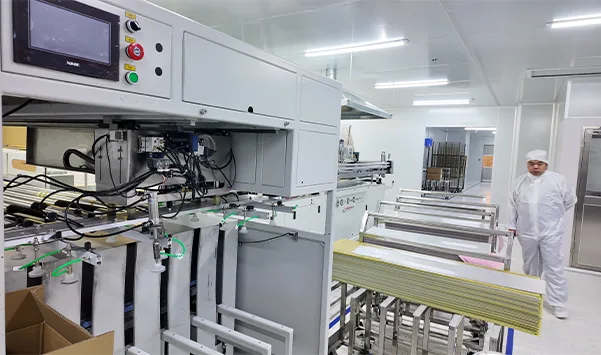
In order to provide reliable performance, safety, and long-term use, Benlida uses strict quality control measures in the production of LED PCB boards. Through inspection and performance testing, we guarantee stable electrical performance, efficient heat dissipation, and high-quality products for continuous use.
Electrical Performance Testing
Electrical tests are performed to test the stability of power transmission and avoid any circuit failures when working.
Thermal Performance Testing
Thermal tests are used to measure the heat dissipation efficiency of the PCB, particularly in aluminum LED PCB boards. Heat dissipation is very important in reducing risks of overheating and improving the longevity of the LEDs.
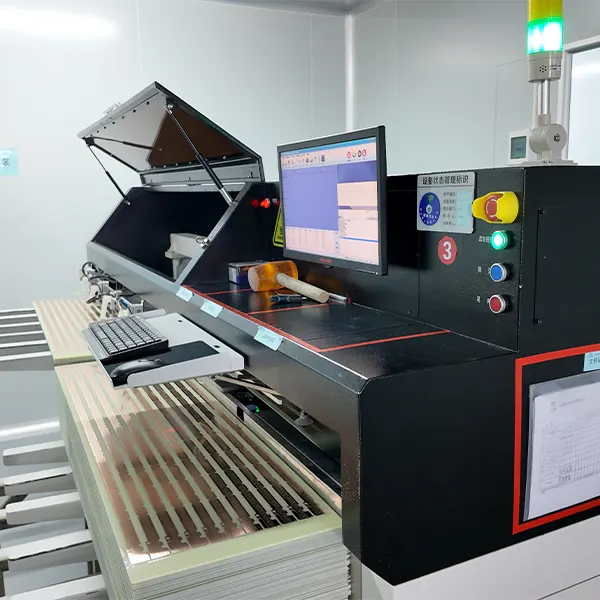
AOI (Automated Optical Inspection)
The AOI test is applied in the detection of PCB faults such as wrong circuitry, missing parts, soldering problems, and other surface imperfections to guarantee accuracy during the manufacturing process.
Solderability Testing
The solderability test confirms the effectiveness of bonding between the PCB pads and electronic components in order to improve assembly reliability and prevent possible connection problems.
Aging & Reliability Testing
LED PCB assembly units can be put through long-term tests in order to determine their stability during continuous operations.
Visual Inspection & Final Quality Check
Before shipment, each LED PCB board is carefully inspected for appearance, dimensions, surface quality, and manufacturing consistency to ensure it meets customer requirements.
Material & Process Verification
The materials and processes used in producing the PCBs are stringently monitored to provide adequate thermal and electrical properties as well as sufficient mechanical properties.
Applications of LED PCB
LED PCB boards are widely used in various industries due to their excellent thermal management, reliable electrical performance, and flexible customization capabilities. As a professional LED PCB manufacturer, Benlida provides high-quality LED PCB boards and custom LED circuit boards for different applications, helping customers achieve efficient and reliable product solutions.
LED Lighting Industry
LED PCBs are widely used in indoor and outdoor lighting products, including LED lamps, downlights, street lights, flood lights, and industrial lighting systems. Their excellent heat dissipation performance helps improve lighting efficiency and extend product service life.
LED Display Industry
The LED PCB board is used in display modules, advertising display boards, digital displays, and any kind of visual displays. The reason behind this is that the LED PCB board helps to make a proper connection that works efficiently at high brightness and for a longer period of time.
Automotive Lighting Industry
The use of LED PCBs is crucial for automotive lighting systems like headlights, taillights, interior lights, and signals. The robustness and thermal performance of LED PCBs help them perform consistently in various environments.
Consumer Electronics Industry
LED PCB solutions are used in various electronic products that require compact designs and efficient lighting functions, such as display devices, smart electronics, and control systems.
Industrial Equipment Industry
LED PCBs have applications in industrial indicators, machinery lights, control panels, and automation systems, making sure that they function consistently in harsh environments.
Smart Home & IoT Applications
With the increase in intelligent technology, the use of LED PCB boards has increased in intelligent lighting, intelligent gadgets, and IoT products that need custom circuit solutions.
What to Include in Your LED PCB RFQ
Start a discussion. Tell us the project type, approximate quantity, current development stage, and a short description of what you need. You can start with the information you have and identify missing details during the discussion.
For a bare-board quotation. Provide the available Gerber files, drill data, fabrication drawing, and revision. Include the board construction, material, thickness, finished copper, outline, finish, quantity, and target delivery date where these are defined. Confirm support for other file formats before sending them.
Add project-specific requirements. Include relevant electrical isolation, heat-transfer, mounting, inspection, documentation, and packaging requirements. These details depend on the application; they are not all mandatory for an initial inquiry.
If assembly is required. Add the BOM, pick-and-place file, assembly drawing, approved component requirements, and supply responsibilities. Include LED polarity, bin requirements, and any programming or testing instructions that apply. For related assembly information, see our PCB assembly services.
Before sharing confidential design files, ask which document-handling process is appropriate for your project.
LED PCB Manufacturing FAQs
An LED PCB connects and supports LEDs and related circuit components. The required construction depends on the application. A bare board does not include LEDs or other components unless assembly is included in the order.
LED applications can use FR-4, metal-base, or flexible constructions. Review the actual material and stackup against the electrical, thermal, mechanical, and assembly requirements. Confirm the available manufacturing scope for your project.
LED PCB describes the application, rather than one universal material or performance grade. Some LED products need a metal-base thermal path; others use different constructions. Suitability depends on the design and operating conditions.
Discuss your custom LED PCB requirements with Benlida, including the construction, size, quantity, and available files. Confirm the manufacturing scope and any separate design or assembly work before quotation and production approval.
The required checks depend on the board and the agreed scope. Confirm bare-board inspection and electrical testing separately from assembly inspection, functional testing, thermal evaluation, or aging. Additional work needs defined conditions and acceptance criteria.
Start with your available Gerber files, drill data, fabrication drawing, quantity, and revision. Include material and manufacturing requirements where defined. If the files are incomplete, describe the project first so the missing information can be identified.
State that you need an assembly quotation and provide the BOM, placement file, and assembly drawing. Confirm component supply responsibilities, approved LED requirements, and testing separately. A bare-board quotation does not include components by default.
They depend on the material, construction, quantity, component availability, and any additional inspection or testing. Ask for the confirmed production schedule and shipping assumptions after the project requirements are reviewed.