

PCBA Functional Testing Services
Benlida, EMS service provider
Advanced PCB Functional Testing Service for Reliable PCBA Performance
Ensure every circuit board performs accurately with Benlida’s professional testing solutions. Leveraging technologies such as electrical testing, signal analysis, and automation, our testing services are dedicated to helping manufacturers create more reliable products and achieve consistent mass-production quality.
Functional testing is one project-defined PCBA activity. For the broader assembly and RFQ scope, see our PCB assembly services page.
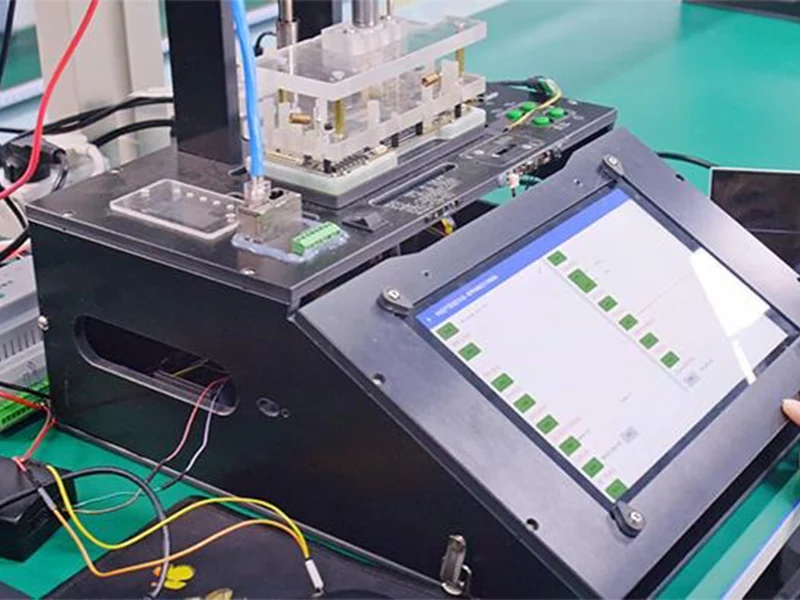
Our Functional Testing Capabilities
Benlida provides comprehensive testing solutions for different PCB assembly requirements, covering prototype validation, small-batch production, and high-volume manufacturing. Our PCB functional testing service combines advanced equipment, professional engineers, and strict testing procedures to ensure every board achieves reliable performance.
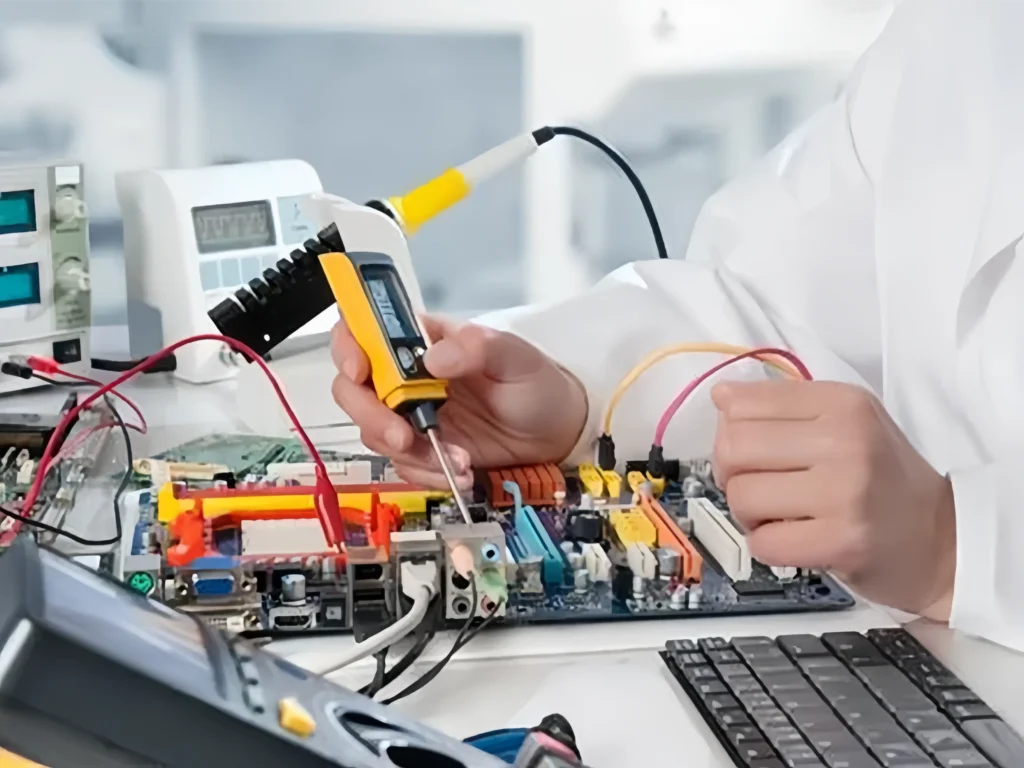
Power-On Testing and Signal Validation
We verify startup performance, voltage conditions, current consumption, and key electrical signals to confirm that the PCB operates within specified parameters.
Firmware Loading and Configuration
Our engineers perform firmware programming, system configuration, and operational verification to ensure embedded devices function correctly after assembly.
For programming requirements, see our firmware flashing services.
Testing Analog and Digital Signals
Test both analog and digital circuits to determine their performance levels in terms of signal accuracy and stability.
Testing Communication Protocols
Test communication interfaces like UART, SPI, I2C, CAN, and others for data transfer performance between devices.
Radio Frequency (RF) and Wireless Testing
For wireless devices, test their signal strength and frequency performance and other parameters.
Environmental and Stress Testing
Test the device for its ability to withstand environmental conditions and stresses.
Automated Optical Inspection (AOI)
Our AOI testing uses advanced optical systems to inspect PCB assembly quality, detecting issues such as component misplacement, solder defects, polarity errors, and missing parts.
For the broader inspection framework, see our PCB and PCBA quality control page.
Why Does Functional Testing Matter?
In today’s electronic manufacturing, functional verification is an important process that ensures the proper functioning of manufactured circuit boards. A professional PCB functional testing service can identify hidden defects, verify system performance, and improve product reliability before delivery.
Functional testing helps manufacturers achieve:
Minimize Product Defects and Returns
As a result of testing under actual working conditions, it is possible to discover all defects before the product gets into the hands of the customer.
Increase Product Reliability
Full-scale testing ensures that all elements function properly when interacting with each other for reliable and steady operation.
System-Level Performance
We provide a comprehensive PCB functional testing service, ensuring the final product meets real-world application standards by evaluating the overall performance of the assembled board rather than merely testing individual components.
Detect Hidden Defects Early
Combined with inspection methods such as AOI testing, electrical testing, and signal verification, manufacturers can quickly identify assembly issues and improve production yield.
Discuss Your PCBA Test Requirements
Share the product type, quantity, revision and key functions to be checked. Tell us whether a test procedure, fixture and firmware are available. These inputs help define the review and quotation scope.
Confirm the agreed file-transfer route before sharing confidential design files or firmware.
PCBA Functional Testing Capability Parameters
Benlida combines hardware testing equipment, software analysis tools, and engineering experience to provide accurate verification for different electronic products.
PCBA Functional Testing Process
For production functional testing, agree the requirements, test setup, execution rules and records before production. Use the following stages to define the project workflow and responsibilities.
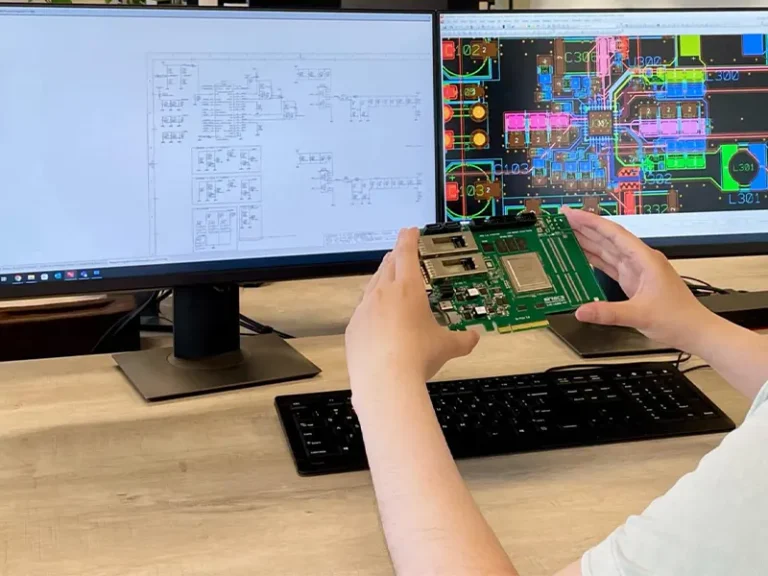
Define the Test Requirements
Confirm the PCBA, hardware and firmware revisions. Map the required functions to test steps, operating modes, loads, acceptance criteria and records. State the unit quantity or sampling rule, exclusions and approval responsibilities.
1
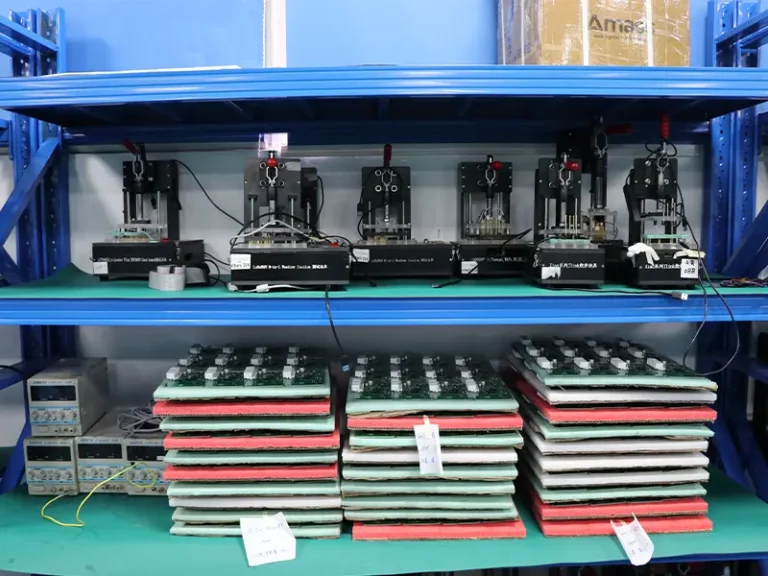
Review the Fixture and Test Setup
Confirm who supplies the fixture, test software, samples and instruments. Review access, connections, loads and version compatibility. Agree development, validation, ownership and maintenance before releasing the setup for use.
2
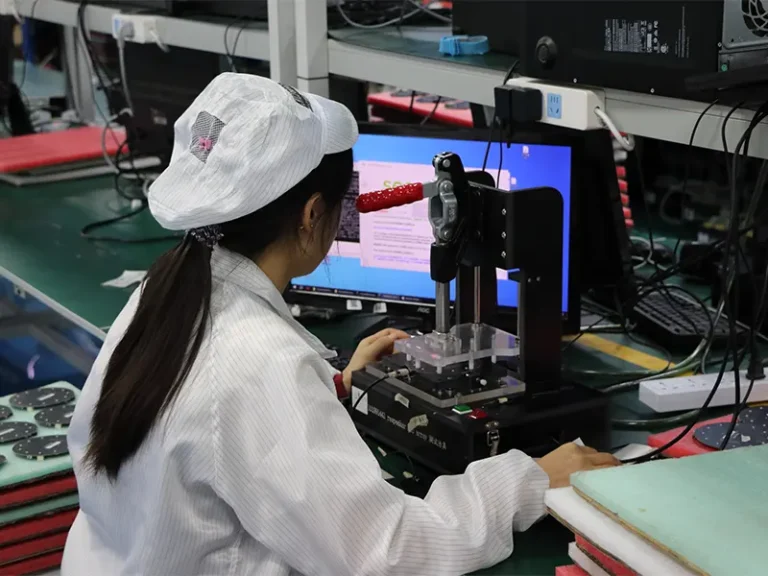
Run the Agreed Tests
Use the approved procedure, fixture, software, firmware and limits. Record the required results for the specified units. Identify failed, skipped, aborted or incomplete tests separately; these states must not be treated as an automatic pass.
3
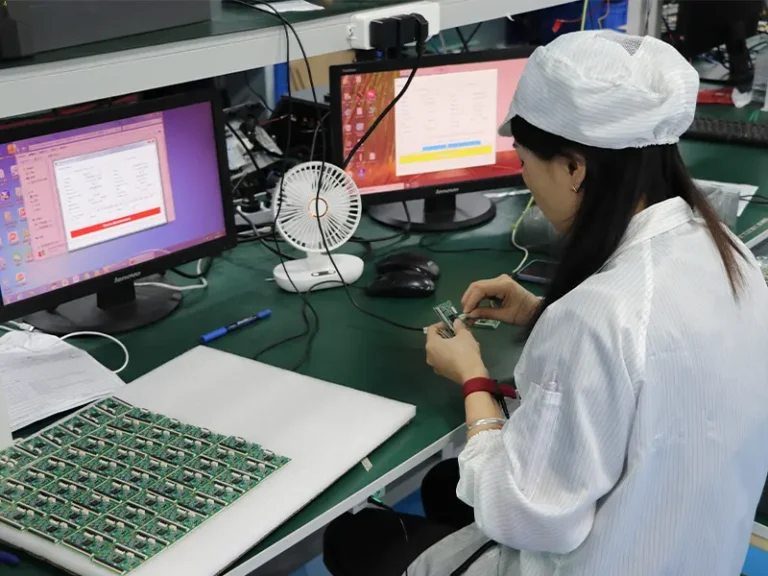
Review Results and Exceptions
Keep unit or batch identification and the applicable test revisions with the agreed results. Preserve failure records from each test run and link them to authorized rework and subsequent retest results. Report fields, format and retention must match the project agreement.
4
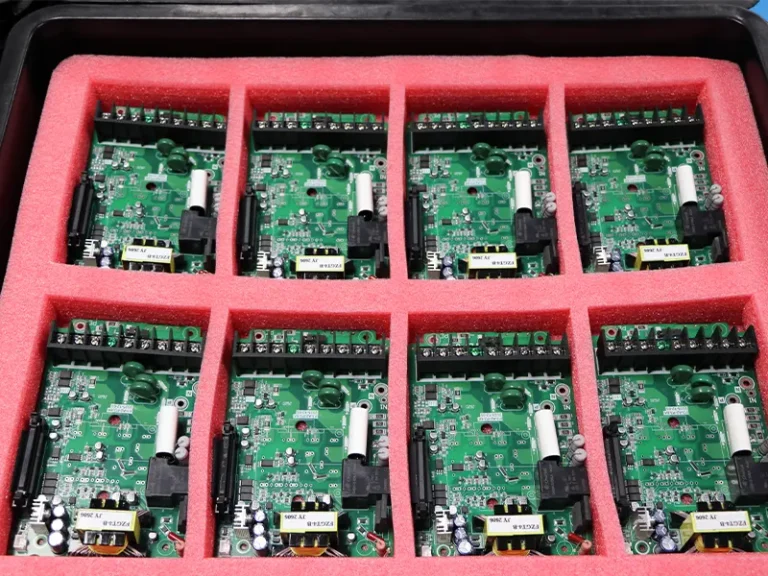
Final Quality Verification
All tested products undergo final confirmation before shipment to ensure compliance with standards.
Final verification ensures:
- Meet customer requirements
- Satisfy performance standards
- Guarantee shipment quality
5
Why Choose Benlida for PCB Functional Testing?
Choosing the right testing partner is essential for improving PCBA reliability. Benlida provides professional testing support by combining PCB manufacturing experience, advanced inspection equipment, and customized verification solutions.
Complete Testing Solutions
We support multiple testing methods, including functional testing, AOI testing, electrical inspection, and system verification to meet different product requirements.
Customized Testing Programs
Every electronic product has unique requirements. Our engineers develop suitable testing procedures based on circuit design, application environment, and production goals.
Strong Engineering Support
With years of PCB manufacturing experience, Benlida understands both assembly processes and product performance requirements, allowing faster problem identification and improvement.
Reliable Quality Control System
Strict testing procedures and detailed production records help ensure every PCB assembly achieves stable performance and consistent quality.
Flexible Production Capability
From prototypes to mass production, our testing solutions can adapt to different order volumes and manufacturing schedules.
Test Setup and Related Inspection Resources
Benlida is equipped with professional testing equipment and engineering resources to support reliable PCB inspection and verification. With advanced testing resources, Benlida helps customers improve production reliability and reduce quality risks.
Our testing resources include:
- AOI inspection systems for visible assembly features.
- X-ray inspection equipment for selected hidden structures.
- Electrical test instruments for defined circuit measurements.
- Functional test fixtures for the agreed board and interfaces.
- Programming tools for the approved firmware and device configuration.
- Signal measurement instruments matched to the required range, timing and limits.
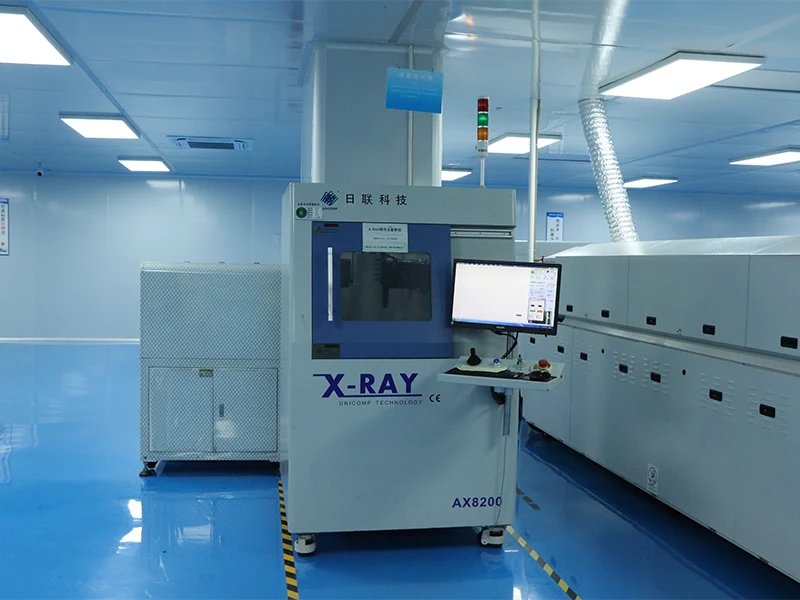
Functional Testing for Different PCBA Applications
The application helps define the functions, operating conditions and records that matter to the project. Review the actual product requirements before selecting tests.
Consumer Electronics
Define startup, controls, indicators, inputs and outputs for the intended operating modes.
Industrial Control Systems
Specify I/O behavior, interfaces, loads and expected responses to normal and defined error conditions.
Automotive Electronics
Identify the module functions, operating modes, load conditions and customer acceptance requirements.
Medical Electronics
Define the required signals, controls, operating conditions and records.
Communication Equipment
Specify interface versions, peer devices, expected exchanges and error handling.
Smart Devices and IoT Products
Define connectivity, firmware state, peripherals and the test environment.
What to Include in Your Functional Testing RFQ
Start with the PCBA or module type, quantity, revision and key functions to be checked. Tell us whether a test procedure, fixture, firmware and reference sample are available.
Inputs for Engineering Review
- Approved functional requirements and acceptance criteria.
- Hardware, firmware, configuration and interface revisions.
- Relevant connector, test-point, assembly and DFT information.
- Required loads, operating modes, timing and measurement limits.
- Available fixture, test software, instructions and sample status.
- Required record fields, format, delivery and retention.
Confirm the file-transfer route before sharing confidential design or firmware files.
For a complete assembly project, see our PCB assembly services.
Functional Testing FAQs
Functional testing evaluates a powered PCBA against defined operating requirements. ICT checks selected electrical nodes and component conditions, depending on access and the test system. AOI inspects visible assembly features. These methods are complementary; an inspection pass does not establish that all product functions work.
A test plan can include selected startup, signal, input/output or communication checks. The applicable scope depends on the board, firmware, interfaces, fixture, loads and acceptance criteria. Share the functions you need to verify so the checks can be reviewed for your project.
No. Functional testing verifies only the functions and conditions included in the approved test plan. Untested modes, interfaces or operating conditions remain outside that scope. Other inspection or validation activities may be needed for different risks.
The number of boards tested and the checks performed on each board must be stated in the agreed scope. Testing every unit is different from covering every possible function or defect. Confirm the quantity, sampling rules and exclusions before production.
Start with a product description, quantity, revision and the functions you need to check. Explain which specifications, fixtures, firmware and samples are available. The remaining inputs and any development work need confirmation before the scope and price are finalized.
Share the required functions, operating conditions, acceptance criteria and available test resources. These inputs help define a project-specific test plan. Any new fixture or test software work needs engineering review before the setup is confirmed.
Compatibility needs review first. Provide the fixture or program description, hardware and firmware revisions, instructions and acceptance criteria. Review any adaptation and validation needed before the setup is used.
Firmware flashing and functional testing are separate activities unless both are included in the agreed scope. Programming verification checks the specified file or device state; functional testing checks defined operating behavior. State the approved firmware, configuration and required final shipping state.
The test setup depends on the board, interfaces, loads and measurements in the test plan. It may include a functional test fixture, power supplies, loads, programming tools and signal measurement instruments. AOI and X-ray serve related inspection tasks and are not substitutes for powered functional testing.
The project plan should define how failed, skipped, aborted and incomplete tests are recorded and reviewed. These outcomes are not an automatic pass. Agree diagnosis, authorized rework, retest and final disposition responsibilities before production.
Confirm the record set during project review. Specify unit or batch identification, test-plan revision, pass/fail results, required measured values and retest history. Fields, format, delivery and retention must be agreed; complete waveforms or step-level logs should not be assumed.
Prototype test plans may need updates as the design, firmware and acceptance criteria develop. For production batches, confirm the approved revisions, fixture, test sequence, unit quantity or sampling rule, and required records. Review changes before using an updated setup for the next batch.