

Project-Based Firmware Programming
PCB Firmware Flashing Services
Firmware flashing writes an approved firmware image into programmable devices on an assembled circuit board. For a Benlida project review, share the target device, hardware revision, firmware release, quantity, and verification requirements. Programming feasibility, test coverage, and delivery scope need to be agreed for the specific project.
For the broader assembly and RFQ scope, see our PCB assembly services page.
What Is PCB Firmware Flashing?
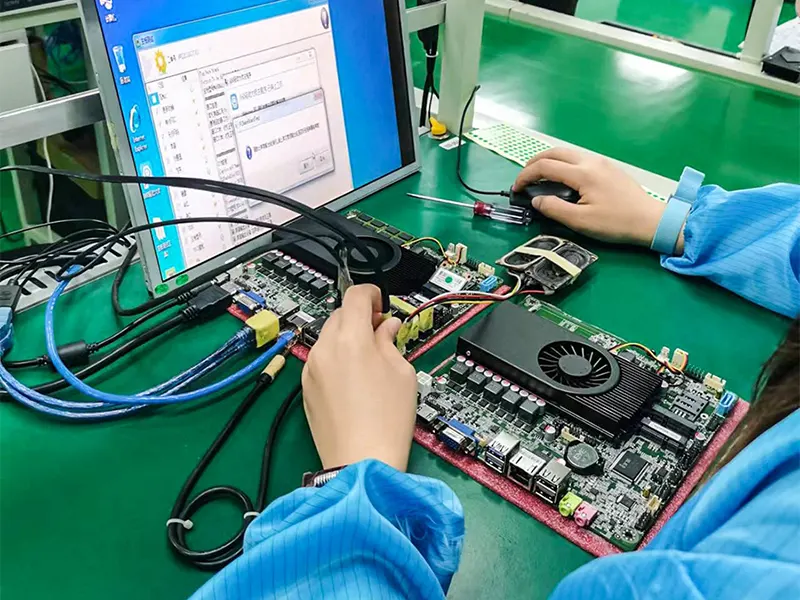
PCB firmware flashing is the process of writing firmware into programmable devices on an electronic board. In production, the target is typically a microcontroller, processor, or nonvolatile memory device on a PCBA. The bare PCB itself is not the firmware storage device.
The process requires a compatible hardware target, an approved firmware release, a suitable programming method, and agreed verification criteria. Programming verification checks the write result within a defined scope. Functional testing checks specified product behavior.
Functions of Firmware Flashing
- Firmware Programming
Upload software code into IC chips according to product requirements. - Firmware Updating
Replace previous firmware versions with improved or updated software. - Configuration Setup
Adjust device parameters and settings during production. - Program Verification
Confirm firmware integrity through checksum checking and functional testing.
A documented programming plan helps define the correct release, target, checks, and acceptance criteria. The appropriate workflow depends on the device, board access, quantity, and test requirements.
For an overview of programming methods and preparation, read our PCB firmware flashing process guide. Use this service page to discuss the requirements of your own project.
PCB Firmware Flashing Services Overview
Flexible Firmware Programming Solutions for Different Production Needs
Benlida provides complete firmware programming solutions designed for prototype development, small-batch production, and large-scale manufacturing. Our PCB firmware flashing services support customized programming requirements, secure code handling, and comprehensive validation.
Custom Firmware Programming
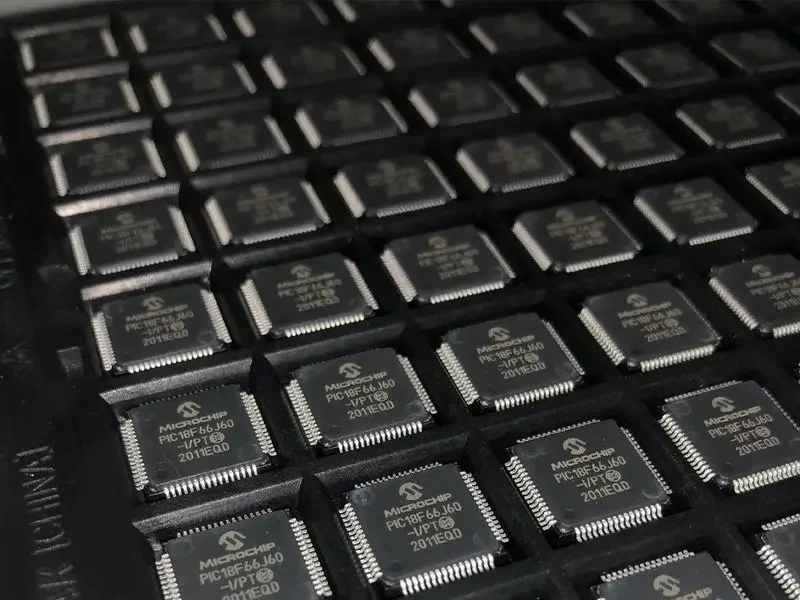
Different electronic products require different firmware configurations. Our programming service supports customized firmware loading for:
- Microcontrollers
- Memory ICs
- Embedded systems
- Electronic control modules
This helps manufacturers ensure that every PCB is programmed according to product specifications.
Batch Programming & Production Support
For high-volume manufacturing, efficient programming speed and consistency are essential.
Our PCB firmware flashing process supports:
- Multiple device programming
- Production-line integration
- Stable batch processing
- Reduced manual operation
This allows customers to maintain consistent firmware quality across large production quantities.
Firmware Verification & Validation
Agree on programming verification before production.
Define the following in the project scope:
- Approved firmware identifier
- Applicable integrity or readback checks
- Units to be checked and acceptance criteria
- Verification records and exception handling
Startup checks, communication function checks and functional testing are separate activities. Include them only when explicitly agreed for the project.
Firmware Reprogramming & Updates
During product development or lifecycle upgrades, firmware may require modification.
Our services support:
- Software updates
- Firmware replacement
- Version upgrades
- Product improvements
Flexible programming capability helps manufacturers adapt products to changing requirements.
Secure Data Handling
Firmware often contains important product information and intellectual property.
Professional PCB firmware flashing requires strict security management, including:
- Controlled file access
- Secure programming environment
- Confidential code protection
- Data management procedures
These measures help protect sensitive firmware information throughout production.
PCB Firmware Flashing Process
Complete Programming Workflow for Reliable Electronic Manufacturing
A reliable PCB firmware flashing process requires accurate preparation, controlled programming, and complete verification. Benlida follows a structured workflow to ensure firmware is correctly written and every programmed board meets production requirements.
Design Review & Programming Preparation
Before programming begins, review:
- PCB design information needed for programming access, including the interface, connector or test points
- Complete chip part number, hardware and BOM revisions, and product variant
- Firmware release and its mapping to the specified target
- Power requirements, boot mode, protection state, and fixture needs
Confirm the target-to-release mapping and the agreed programming requirements before setup.
Firmware File Verification
Check the firmware release package before programming.
The release checklist includes:
- Approved firmware release and file format
- Target hardware and BOM revisions, and required configuration
- Reference verification information, where specified
- Memory regions to be programmed and data to be preserved
Record release approval before programming. Re-review the release package when the firmware, BOM, or hardware revision changes.
Firmware Upload & Configuration
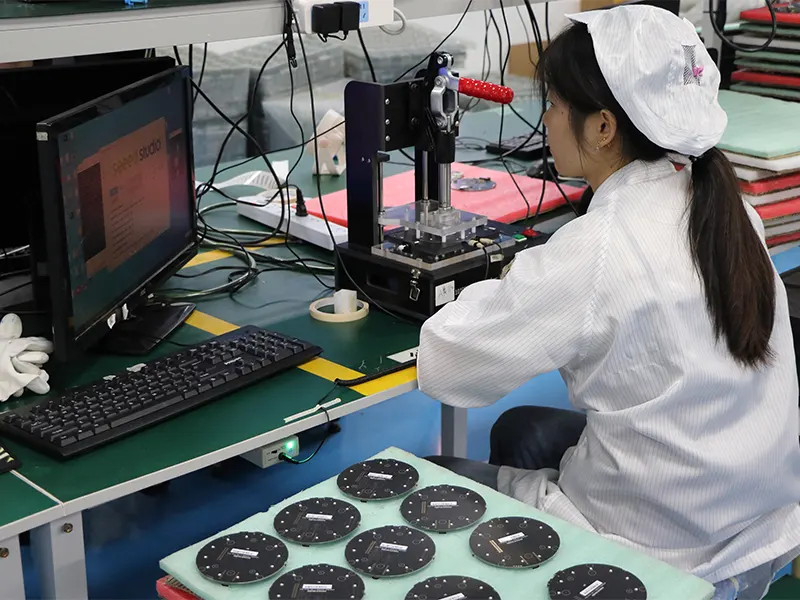
During this stage, firmware is written into the target IC through professional programming equipment.
The process includes:
- Connecting programming interfaces
- Uploading firmware data
- Configuring device parameters
- Completing software initialization
Accurate programming ensures each PCB firmware flashing project achieves stable operation.
Firmware Verification Testing
After programming, verify the results against the agreed requirements.
The verification and failure-handling steps include:
- Programming checks, with results recorded at the agreed traceability level
- Startup, communication, or functional tests, as specified in the agreed test scope
- Identification and isolation of failed units for investigation
- Agreed limits on repeat programming and retest requirements before release
A later successful programming attempt alone is not enough to release a previously failed unit.
Final Inspection & Delivery
After successful programming, products are inspected and packaged securely.
Final procedures include:
- Programming record tracking
- Quality confirmation
- Product protection
- Secure delivery preparation
This complete workflow ensures reliable PCBA firmware flashing performance from prototype to mass production.
Our Certificates
Quality Standards Supporting Reliable Firmware Programming
Firmware programming requires strict process management because software accuracy directly affects electronic product performance.
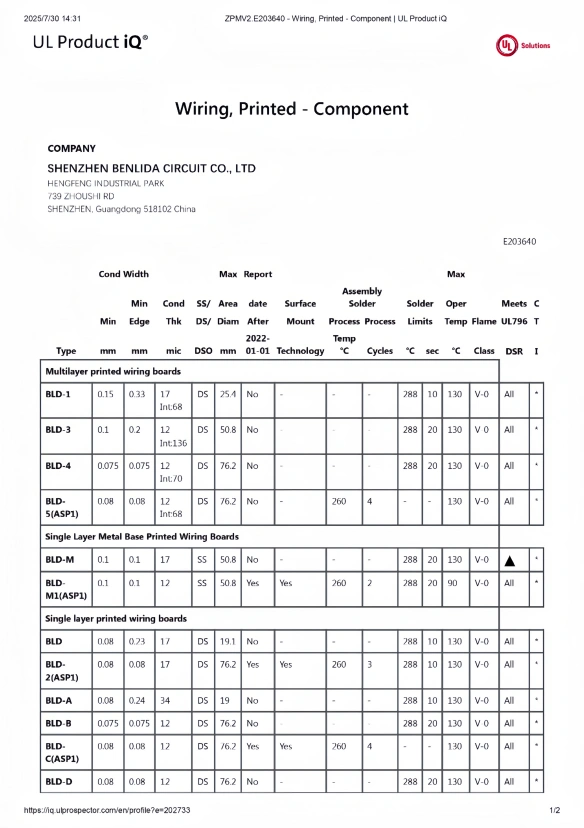
Benlida follows standardized manufacturing and quality control procedures to ensure reliable PCB firmware flashing services. Our certifications demonstrate our commitment to production consistency, environmental compliance, and international quality requirements.
These certifications support secure and dependable firmware programming solutions for different electronic applications.
Our certification includes:
- SGS Certification
- Quality Management Standards
- RoHS Compliance







PCB Firmware Flashing Testing & Quality Control
Comprehensive Verification for Programming Accuracy
Quality control is a critical part of every PCBA firmware flashing project. Through multiple inspection methods, potential programming errors can be identified before products enter the next manufacturing stage.
Checksum Verification
Checksum testing confirms whether the uploaded firmware matches the original file.
Benefits include:
• Preventing incorrect programming
• Ensuring data integrity
• Improving production reliability
Firmware Version Checking
Match the approved firmware release to the target hardware and product variant. A displayed version number alone does not establish compatibility.
Define how the firmware image and target are identified and approved. Check the following:
• Target device
• Board revision and BOM revision
• Product variant and required configuration
Functional Testing
Functional testing checks specified product behavior against an agreed procedure.
The scope may include:
- Device startup
- Communication
- Control functions
Define the fixture, operating conditions, limits, and coverage before quotation.
See our functional testing page to discuss the separate test scope.
Electrical Testing
Electrical inspection confirms that the PCBA hardware and programmed firmware function properly together.
It helps identify the following:
• Connection problems
• Hardware abnormalities
• Programming-related issues
Programming Record Tracking
Production records are maintained for traceability. These records improve quality management and support future product maintenance.
Records may include:
• Firmware version
• Programming date
• Production batch
• Test results
Why Choose Benlida for PCB Firmware Flashing?
A useful supplier discussion should make the programming scope easy to review. When evaluating a Benlida project, clarify target compatibility, file handling, verification coverage, production conditions, and the handoff to assembly or testing.
Use the points below to prepare that discussion.
Target and Release Review
Identify the complete device part number, board revision, product variant, and approved release before confirming programming feasibility.
Agreed File Handling
Clarify the transfer route, authorized recipients, retention requirements, and NDA needs before sharing confidential project files.
Defined Verification Scope
Separate programming verification from functional testing. Agree on methods, coverage, limits, and the records required for acceptance.
Project-Based Production Planning
Provide quantities and schedule needs. Confirm setup, fixtures, order conditions, and lead time after the programming and test scope is reviewed.
Assembly and Test Handoff
For a PCBA build, define when programming takes place, who supplies the release, and which checks are required before the next manufacturing stage.
Discuss Your Firmware Programming Project
Tell us about your firmware programming project. For the first inquiry, provide:
- Target device part number and board revision
- Board condition: customer-supplied boards or a PCBA build
- Prototype quantity, batch quantity, and requested schedule
- Firmware format and release information, without attaching confidential files
- Programming access and required verification or functional tests
Use the inquiry form for this summary. Agree on a file transfer process before sending firmware, source code, credentials, or production keys.
Accurate Firmware Programming Capability
Firmware errors can affect product performance and reliability. Benlida uses programming equipment and standardized procedures to write firmware to target devices and check it against project requirements. Our programming services include:
- Microcontroller programming
- Memory chip programming
- Embedded firmware loading
- Software version configuration
Engineering Support for Firmware Programming
Firmware programming requires attention to hardware and software compatibility. Our engineering team reviews programming requirements, device information, and firmware files before production to help identify potential issues early. Support includes:
• Programming method selection
• File compatibility checks
• Process optimization
• Production troubleshooting
• Programming method selection
• File compatibility checks
• Process optimization
• Production troubleshooting
Firmware and Data Protection
Firmware files may contain confidential product information and intellectual property. Benlida uses management procedures to help protect these files during programming. These measures include:
• Controlled access to firmware files
• Authorized programming operations
• Confidential file management
• Production data tracking
• Controlled access to firmware files
• Authorized programming operations
• Confidential file management
• Production data tracking
Flexible Production Support
Programming quantities and schedules vary by project. Benlida supports firmware programming from prototypes through production, with planning based on project volume and delivery requirements. Services include:
• Prototype programming
• Small-batch firmware loading
• Medium-volume production
• Large-scale programming
• Prototype programming
• Small-batch firmware loading
• Medium-volume production
• Large-scale programming
Firmware Verification and Quality Checks
Reliable firmware programming involves more than loading a file. Verification and quality checks help confirm the programming result and assess relevant device functions. Depending on project requirements, these checks may include:
• Firmware checksum verification
• Version confirmation
• Functional testing
• Electrical inspection
• Firmware checksum verification
• Version confirmation
• Functional testing
• Electrical inspection
Applications of PCB Firmware Flashing
Where Are Firmware Programming Services Used?
Firmware is essential to the operation of modern electronic products. Professional firmware programming helps manufacturers prepare devices for verification and final delivery.
The applications below are general examples. Programming requirements and support for specific devices should be confirmed for each project.
Industrial Automation Equipment
Industrial equipment depends on stable software control for continuous operation. Correctly programmed firmware helps support reliable communication and precise equipment operation. Common applications include:
- PLC controllers
- Automation systems
- Industrial sensors
- Control modules
Confirm the hardware variant, communication settings, and startup requirements. Define programming verification and any separate functional tests for the project.
Consumer Electronics
Many consumer products rely on embedded software for smart features. A controlled firmware programming process helps maintain consistent firmware versions and configurations across devices, supporting consistent product behavior. Applications include:
- Smart devices
- Home appliances
- Electronic accessories
- Personal equipment
Confirm the product variant, approved firmware release, regional settings, and any user data requirements. Specify startup and feature checks separately from firmware programming.
Automotive Electronics
Automotive systems depend on reliable software operation under demanding conditions. Correct firmware installation supports consistent system behavior and provides a basis for further performance and safety validation. Common applications include:
- Vehicle control modules
- Sensor systems
- Electronic controllers
- Power management devices
Confirm the approved firmware release, target variant, change control, and acceptance requirements. Programming verification alone does not establish vehicle-level functional safety or product suitability.
Medical Equipment
Medical electronics require reliable operation and rigorous quality control. Firmware programming is used in applications such as:
- Monitoring equipment
- Diagnostic devices
- Electronic medical instruments
Appropriate verification helps check that devices operate as required.
Define the approved software configuration, traceability requirements, and product validation scope for each project. Successful programming does not replace application-specific validation.
Communication and IoT Devices
Connected devices rely on firmware for communication and smart control. Common applications include:
- IoT terminals
- Wireless devices
- Network equipment
- Smart controllers
Reliable firmware programming helps support stable connectivity and intended device functions.
Review connectivity settings, device identity requirements, and the intended update method separately. Define how unique device data and credentials are handled, who is responsible, and how updates will be validated.
Different Types of PCB Firmware Flashing Modes
Flexible Programming Methods for Different Production Requirements
Different electronic products require different programming approaches. Benlida provides multiple PCB firmware flashing methods according to production volume, product structure, and upgrade requirements.
Online Firmware Flashing
Online flashing programs firmware directly through the device connection interface.
• Suitable for production line integration
• Easy process monitoring
• Supports real-time programming
• Suitable for automated manufacturing
Online programming is commonly used when products can be connected directly to programming equipment during assembly.
Offline Firmware Flashing
Offline flashing uses dedicated programming equipment to prepare chips or boards before final assembly.
• High programming efficiency
• Suitable for batch production
• Independent programming environment
• Easy production management
This method is suitable for large-volume manufacturing requiring fast and stable programming operations.
Wireless Firmware Update & Online Upgrade Testing
Modern electronic products often require remote firmware updates after deployment.
Wireless upgrade testing supports:
• OTA firmware updates
• Software version upgrades
• Communication verification
• Product lifecycle maintenance
This approach is widely used in smart devices and IoT applications where continuous improvement is required.
Wide Chip Architecture and Protocol Support
| Chip Architecture / Platform | Common Applications | Supported Features |
|---|---|---|
| ARM Cortex-M Series | Industrial controllers, IoT devices, embedded products | MCU programming, firmware upload, debugging support |
| AVR Architecture | Consumer electronics, control systems | Flash programming and configuration |
| PIC Microcontrollers | Industrial and automation products | Firmware loading and verification |
| STM32 Series | Smart devices, industrial equipment | High-speed programming and software updates |
| ESP Series | IoT and wireless products | Firmware flashing and communication testing |
| EEPROM / Flash Memory | Data storage applications | Data programming and verification |
| FPGA Devices | Advanced control systems | Configuration programming support |
| SoC Platforms | Intelligent electronic products | Integrated firmware deployment |
A professional PCB firmware flashing service requires compatibility with various chip architectures and communication protocols. Benlida supports different embedded platforms to meet diverse electronic product requirements.
| Protocol / Interface | Application |
|---|---|
| SWD | ARM microcontroller programming |
| JTAG | Debugging and device programming |
| SPI | Flash memory programming |
| I2C | Configuration and data communication |
| UART | Firmware transfer and testing |
| USB Interface | Device programming and upgrade |
These capabilities allow flexible PCB firmware flashing solutions for different electronic product designs.
Strict Intellectual Property and Code Security Protection
Protecting Your Firmware Data Throughout Production
Firmware files are valuable assets for electronic manufacturers. Protecting software information is an important part of professional programming services.
Benlida applies strict security procedures during the PCB firmware flashing process to protect customer information.
These measures help ensure firmware remains protected from unauthorized access during production.
Controlled Firmware Access
- Restricted access to firmware files
- Authorized personnel management
- Secure production environment
Confidential Data Management
- Protected file storage
- Controlled data transfer
- Production information tracking
Secure Programming Process
- Verified programming files
- Controlled programming operations
- Programming record management
Customer IP Protection
- Confidential manufacturing procedures
- Protection of proprietary software information
- Secure handling of customer project data
FAQ
It writes an approved firmware image into programmable devices on an electronic board. In a PCBA project, the required target, release, configuration, and verification need to be defined. A successful write does not by itself prove that all product functions work.
Provide the complete manufacturer part number, package, board revision, image format, and intended programming interface. Feasibility depends on the exact device, tool support, access conditions, and protection state. A family or interface name alone is not enough.
It depends on the product design, bootloader, access permissions, image authentication policy, and recovery method. Define the existing and target releases, retained data, and update checks. Factory reprogramming does not automatically include OTA platform development or ongoing field operation.
Source code is not part of the proposed initial inquiry checklist. Begin with the target, quantity, firmware format, release information, and verification requirements. Any later need for confidential files or source access must be justified and agreed separately.
Do not assume that it does. Programming verification checks a defined write result. Functional testing checks specified product behavior using agreed conditions, fixtures, and limits. Confirm the required test coverage and quotation scope for your project.
Agree on a device-appropriate method, approved reference, covered memory regions, and acceptance criteria. Programmer verification, permitted readback, or a defined digest comparison may be suitable. These checks do not replace separately specified functional testing.
Share the device and board details, board supply condition, prototype and batch quantities, requested schedule, and verification needs. Minimum order conditions, setup costs, fixture requirements, and lead time need project-specific confirmation.
Start with a nonconfidential project summary. Before transferring files, agree on the recipient, transfer channel, access controls, retention period, and NDA requirements. Do not send confidential firmware, source code, credentials, or production keys through the first inquiry form.
These are separate requirements that need review. Define the data source, ownership, uniqueness rules, target location, verification, and failure handling. Security keys and irreversible protection settings need dedicated controls; their availability is not implied by general firmware flashing.
Specify the required board or batch identification, firmware release, programming result, applicable test results, and rework history. Confirm the available fields, delivery format, retention period, and responsibility for final release before the batch begins.